
Let’s Get Social!

Let’s start with a simple fact: your business needs social media.

Let’s start with a simple fact: your business needs social media.
It doesn’t matter what industry you’re in or how big or small your company is… if you don’t have a social media presence, you’re a step behind your competition. In our ever-increasing digital world, it is imperative to be in the game.
Numbers Matter
Studies estimate that 63% of customers expect companies to offer customer service via social media channels, and 90%
of social media users use this platform as a way to communicate with a brand or business. It is also estimated that 71%
of consumers who have a good social media experience with a business are likely to recommend it to others. These numbers alone are convincing.
Introduce
There are lots of reasons social media is essential, but one of the most important is brand awareness. Being active online affords the opportunity to introduce your company to a massive audience that otherwise may not know about it. Additionally, it is the perfect platform to communicate your company’s values and culture, which is important to customers. Social media can even provide “free advertising” from customers in the form of testimonials. Online testimonials can be as simple as an Instagram tag or as much as a Facebook review. Either one provides your business with more visibility.
Include
People like to feel they “know” a business. They want to experience a company’s personality and see the people behind the profile. Talk to your audience. You have the opportunity to give quick and easy support to customers vis your social media channels. Questions, comments, and concerns can receive timely responses. This makes customers and clients feel appreciated and noticed. It is approximated that 70%
of buying experiences are based on how a customer feels they are treated; make sure customers feel loved, even the unhappy ones
Inform
We all keep our smart phones close. Chances are yours is in arm’s reach, in your pocket, or in your hand. The average person checks their phone once every 12 minutes or 80 times a day… crazy but true. Social media gives you a way to inform your customers of whatever you want them to know. Just remember to keep it relevant and not waste their time. For a restaurant, as an example, this might include happy hour specials, new menu items, wait times, new beer on tap, or just how good a top-selling entrée looks. Whatever it might be, informative posts attract business and remind patrons that you exist!
With all of this being said, business owners should not expect to grow a professional presence by simply throwing pictures on Instagram. First, your company needs to be displayed on platforms strategic to the target audience. For example, a bakery should be on Facebook and Instagram, while an accounting firm should be on LinkedIn and Facebook. Secondly, your profile must be streamline, on brand, and easy to comprehend. This means using quality images, on-brand colors and content, and captions written in the right “voice.” Lastly, knowing how much to post is a major key. Posting too much overwhelms and annoys followers while posting too little makes them lose interest. Both can result in losing followers.
Considering the benefits, it seems outrageous that a company wouldn’t take advantage of social media. But there two understandable reasons: lack of time and lack of knowledge. While social media might seem like a no-brainer, it takes knowledge to be literate on the subject. Using correct hashtags, wording, imagery, and timing can become too time consuming and overwhelming for business owners.
River City Consulting now offers customized plans to save our clients the hassle of managing social media. Plans include a strategic planning, content creation, professional design, stock photography, clear messaging, relevant headlines, calls to action, appropriate tagging, and hashtag themes. Reach out to us for information about how we can make your business more visible.
For 18 years, River City Consulting has been helping companies make money. As a professional advertising and branding agency, we help businesses determine realistic advertising budgets that produce results. Call our office at 804-447-5757 for an appointment to talk about your business’s social media.
Your success is our business.
Share this post...
Your tagline may be more important than your logo

Leashes of Valor provides highly-trained service dogs at no cost to wounded and disabled post-9/11 veterans.

What is more important: a lead list or credibility?
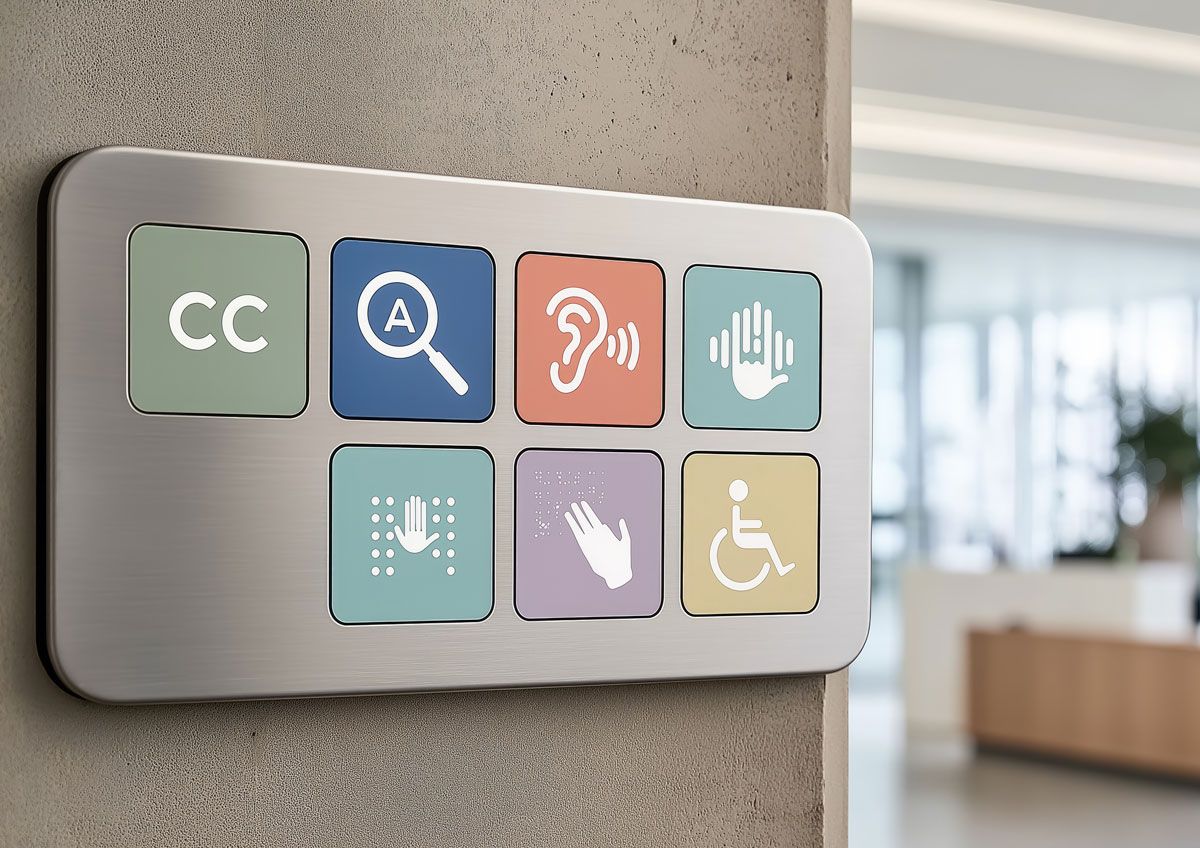
Website accessibility has been a conversation for years, but recent changes to federal accessibility requirements are putting an even bigger spotlight on how websites work for people with disabilities. And if your website hasn’t been reviewed for accessibility recently, now is a good time to take another look. At River City Advertising, we have the tools to add accessibility-focused features that are easier for everyone to use. What Changed With ADA Website Accessibility? In 2024, the U.S. Department of Justice issued a new rule under Title II of the Americans with Disabilities Act establishing a specific technical accessibility standard for websites and mobile apps provided by state and local governments. That standard is WCAG 2.1 Level AA —a widely recognized set of Web Content Accessibility Guidelines designed to make digital content more accessible to people with visual, auditory, physical, cognitive and other disabilities. In 2026, the DOJ extended the deadlines for these public entities: April 26, 2027: State and local government entities with populations of 50,000 or more April 26, 2028: Smaller public entities and special district governments While these particular deadlines apply to state and local governments, the changes reinforce something that affects organizations of all kinds: website accessibility is becoming increasingly important. Businesses should also remember that accessibility obligations can vary depending on the type of organization, services provided and applicable federal, state and local laws. What Does an Accessible Website Actually Mean? Accessibility isn't simply adding a button to your website. An accessible website is designed so people with disabilities can navigate, understand and interact with its content—including visitors who use screen readers, keyboard navigation or other assistive technologies. Some of the elements that can affect accessibility include: Alternative text for meaningful images Appropriate color contrast between text and backgrounds Clear heading structures Keyboard-friendly navigation Properly labeled buttons, links and form fields Readable text and logical page layouts Accessible forms Captions or alternatives for multimedia content Correct website language settings Content that works effectively with screen readers Many of these features also happen to make a website easier to use for everyone , not only visitors with disabilities. How Our Platform Helps Us Build More Accessible Websites At River City Advertising accessibility isn't treated as an afterthought. Our platform includes built-in functionality that can help developers create more accessible websites, including support for alternative text, keyboard navigation and automatic website language definition. Our platform also integrates with accessibility solutions such as UserWay and AudioEye for businesses and organizations that want additional accessibility tools, monitoring and remediation capabilities. However, there is an important distinction: No website platform, plugin or accessibility widget can automatically guarantee that a website is 100% ADA compliant. Accessibility depends on the platform and how the website is designed, written, maintained and updated. For example, adding an accessibility tool doesn't fix a poorly structured page, unclear link text, an inaccessible third-party application or every issue created when new content is added. That is why accessibility should be viewed as an ongoing website-management practice rather than a one-time checkbox. Why Businesses Should Pay Attention Now Even if the newest Title II deadlines don't apply directly to your business, there are several reasons to make website accessibility a priority. Reach more people. An accessible website makes it easier for more potential customers to interact with your business online. Create a better user experience. Clear navigation, readable content, properly labeled forms and thoughtful page structure benefit everyone. Support your SEO efforts. Several accessibility best practices—such as descriptive image text, organized headings and well-structured content—can also help search engines better understand your website. Reduce unnecessary risk. Digital accessibility continues to be an important legal and regulatory issue. Proactively improving accessibility is much better than waiting until someone identifies a problem. Prepare your website for the future. Accessibility standards and expectations continue to evolve. Building accessibility into your website now makes it easier to adapt as requirements change. Accessibility Isn't "Set It and Forget It" This may be the most important takeaway. Your website can become less accessible over time as new pages, images, videos, forms, integrations and other content are added. That's why website accessibility should be part of ongoing website management. At River City Advertising, we can help businesses evaluate their current websites, identify accessibility concerns and determine what tools or updates may make sense. Is It Time for an Accessibility Check? If you're unsure how your current website measures up, we can help you take a closer look. Contact River City Advertising to talk about your website, accessibility options and how we can help make your online presence easier for more people to use. This article is provided for general informational purposes and is not legal advice. ADA and digital accessibility requirements can vary depending on your organization and jurisdiction. Businesses with questions about their specific legal obligations should consult qualified legal counsel.

Artificial intelligence has changed the way businesses create content, brainstorm ideas, and tackle day-to-day marketing tasks.
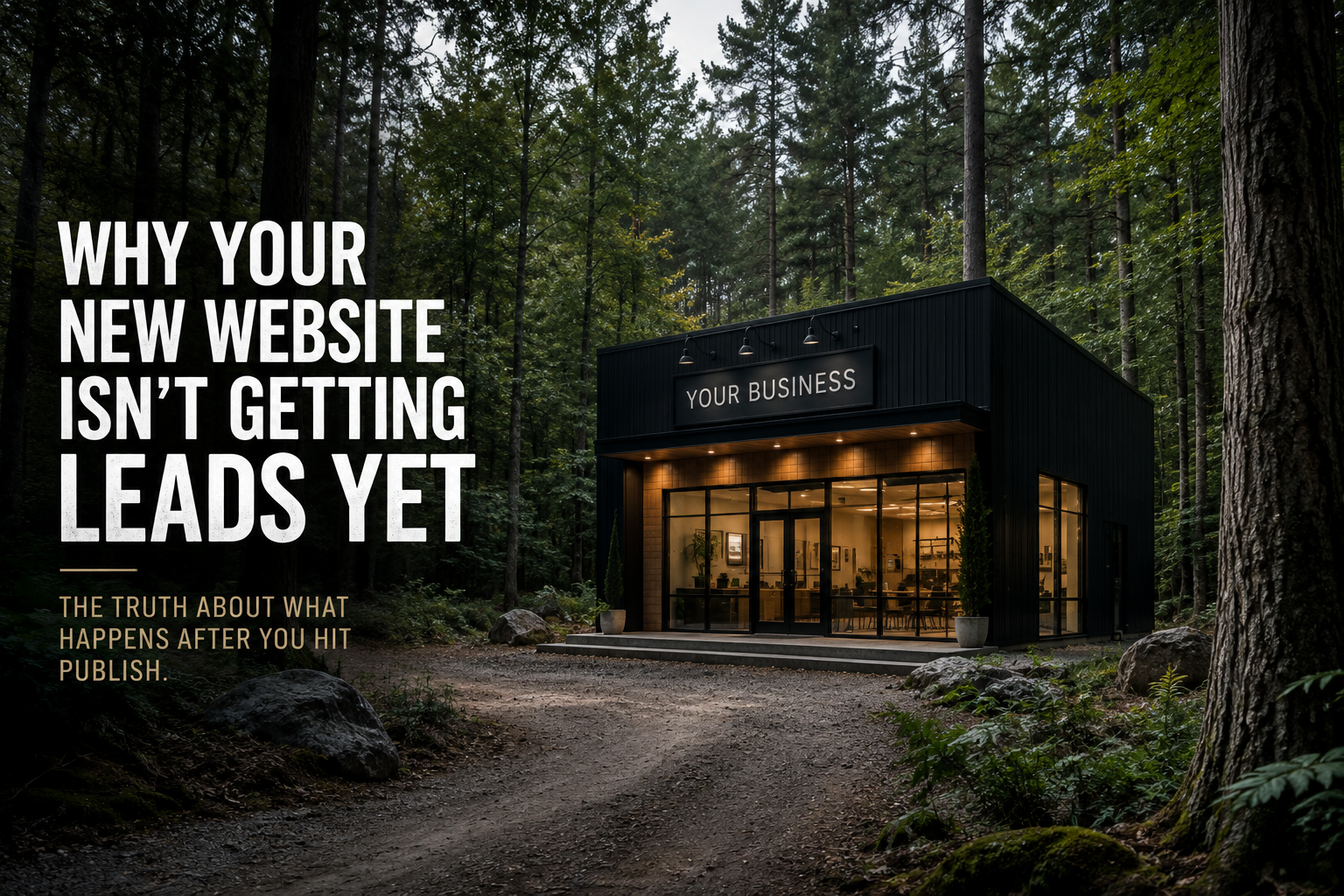
You launched a brand-new website.
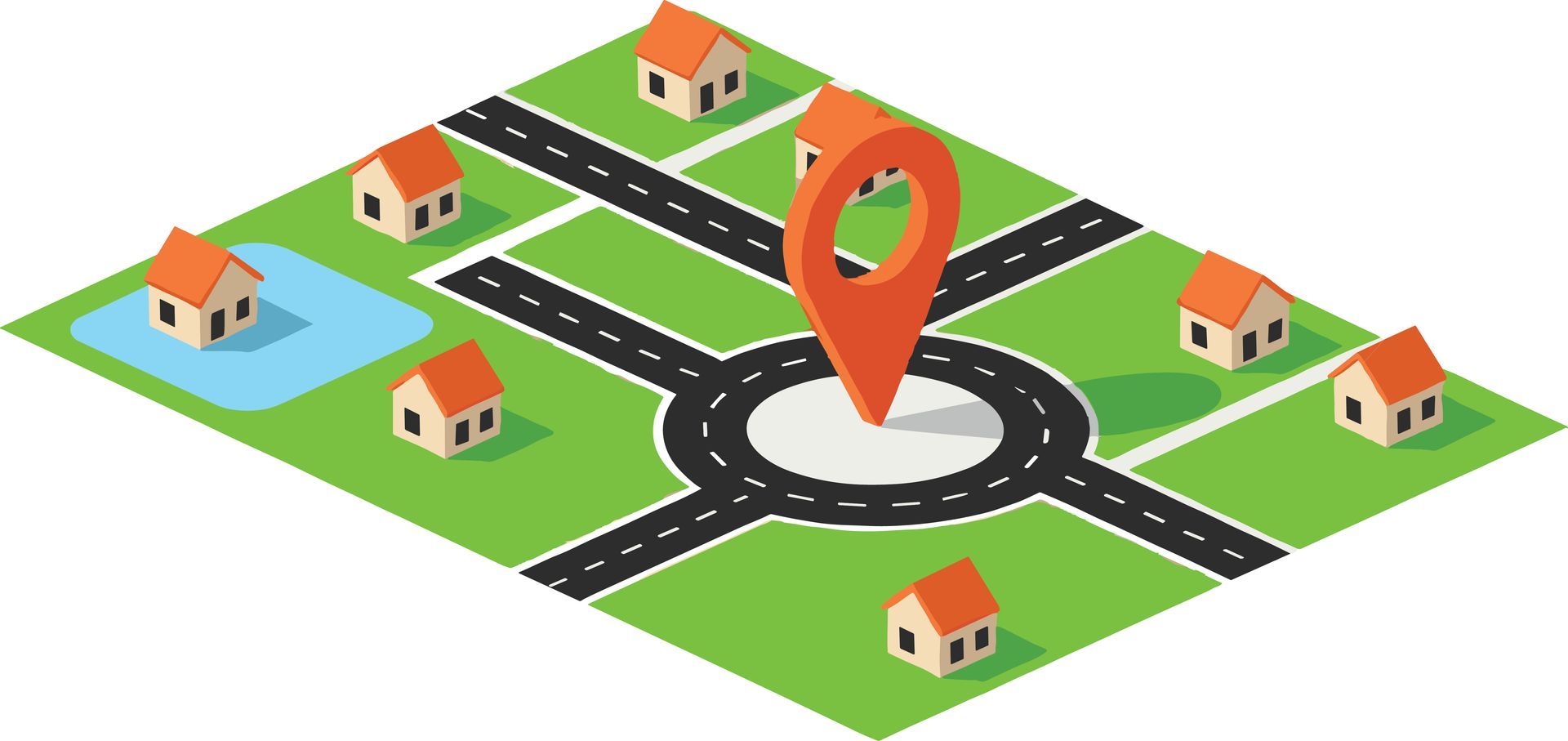
Tiny Roundabouts & Bad Branding: Why Ignoring the Basics Costs You More in the End

For musicians, a website isn’t just a place to store information. It’s a place to create an experience.

(And the People Calling You Are Probably Women.)

Branding Mistakes That Quietly Cost Small Businesses Thousands