
Subtle Words That Undercut Your Professional Presence

The Tiny Words That Make a Big Difference in How You’re Heard

We’ve all been there—you’re in a meeting, giving a presentation, or leading a conversation, and suddenly a filler word sneaks in: “like,” “so,” “basically,” “right?” They might feel harmless, but in reality, they chip away at your message, making you sound less confident and less professional.


The kicker? Most of us don’t even realize we’re doing it. After hosting 100+ interviews on the River City Podcast, I’ve seen (and heard) just how common these slip-ups are—and why being intentional with your words makes all the difference. (Don’t worry, we edit them out for our podcast 😉)


1. “Like”

We know this one well. “Like” sneaks into our sentences as a filler or placeholder.

  • Example: “I was, like, talking to the client about the proposal.”

  • Why it hurts you: Overusing “like” can make you sound uncertain, scattered, or younger than you are. In professional settings, clarity and precision matter.

  • Swap it out: Pause instead. Silence is more powerful than “like.”


2. “Basically”

This word suggests you’re oversimplifying—or worse, that your audience might not understand without a “basic” explanation.

  • Example: “Basically, what we’re trying to say is…”

  • Why it hurts you: It can come across as condescending or as though you’re downplaying the complexity of your point.

  • Swap it out: Use “In short,” or “To summarize,”—these signal clarity without minimizing.


3. “So” (as a starter)

Beginning every sentence with “So” can weaken the strength of your message.

  • Example: “So, we need to increase sales by 20% this quarter.”

  • Why it hurts you: It makes your statement sound like an afterthought rather than a confident directive.

  • Swap it out: Just start with the core idea: “We need to increase sales by 20% this quarter.” Stronger and sharper.


4. “Right?”

This tag question is meant to engage, but it often backfires.

  • Example: “We’ll launch the campaign next week, right?”

  • Why it hurts you: It signals insecurity, like you’re seeking approval rather than asserting facts.

  • Swap it out: If you truly want agreement, ask directly: “Does everyone agree on next week’s launch date?”


5. “Just”

This one sounds polite, but it often diminishes your authority.

  • Example: “I just wanted to follow up on the report.”

  • Why it hurts you: It makes your request sound smaller, as though you’re apologizing for asking.

  • Swap it out: “I’m following up on the report.” Direct, clear, confident.


6. “Actually”

On the surface, it sounds harmless, but it can unintentionally sound corrective or dismissive.

  • Example: “Actually, we already tried that approach.”

  • Why it hurts you: It can create defensiveness, especially in collaborative discussions.

  • Swap it out: Use “That’s true, and we also tried…” to keep the tone collaborative.

Why This Matters

The way we speak shapes how others perceive our competence, authority, and confidence. While occasional fillers are natural, repeated use can chip away at your credibility. By catching these small verbal habits, you instantly elevate your communication and project more authority in every interaction.


A Simple Fix: Awareness

The best first step is noticing. Try recording yourself during a mock presentation or even a casual conversation. You’ll quickly pick up which words you lean on most. Once you’re aware, you can replace them with purposeful pauses, stronger phrasing, or silence.


Final Thought

You don’t need to sound like a robot, but trimming out words like “like,” “basically,” “so,” “right?” and their cousins help you come across as more confident and professional. And in business, perception matters as much as what you actually say.


Share this post...

Four serious-looking people stand against a gray backdrop, wearing muted and bright sweaters.
By Jessica Ellett • October 22, 2026
Sometimes the best thing you can do for your brand is step out of the spotlight. We've all seen them. Those local commercials where a business owner stands awkwardly in front of the camera, stiff as a board, trying desperately to remember their lines while looking like they'd rather be literally anywhere else. And here's the thing. Their business might be AMAZING. They might have incredible products, beautiful projects, a talented team, and years of experience. The commercial might even feature fantastic footage showcasing all of that. But nobody's paying attention to it. Why? Because we're all watching the owner struggle through their 15 seconds of fame. Your Commercial Should Sell Your Business, Not Your Discomfort There's a reason professional actors, voiceover artists, and on-camera personalities exist. Being comfortable in front of a camera is a skill, and it's not one that comes naturally to everyone. And that's perfectly fine! You can be an incredible contractor, someone who designs custom closets, restaurant owner, attorney, or entrepreneur without being a great television personality. The problem starts when someone decides that because they're the face of the business, they also need to be the face of the advertising. Suddenly, what could have been a beautiful commercial showcasing stunning renovation projects, delicious food, or impressive work becomes a painfully awkward presentation. The audience isn't thinking about hiring you. They're thinking, "Wow, that guy really doesn't want to be on camera." And just like that, you've lost them. Great Footage Can't Save a Bad On-Camera Performance Imagine a roofing company with incredible drone footage of completed projects, crews hard at work, and gorgeous before-and-after transformations. That's fantastic material for a commercial! Now imagine cutting back every few seconds to the owner standing uncomfortably in front of the camera, speaking in a monotone voice, awkwardly delivering lines that sound memorized rather than natural. What do you remember when the commercial ends? Probably not the roofs. You remember the awkward guy. And that's a huge missed opportunity. The whole point of advertising is to make people remember your business for the RIGHT reasons. Authenticity Is Great. Forced Authenticity Isn't. Now, don't get us wrong. We LOVE featuring business owners in their advertising when it works. Some owners are naturally charismatic. They're funny, passionate, engaging, and genuinely comfortable talking about what they do. Those people can be advertising gold. And you don't have to look like a polished television host to connect with an audience. Sometimes a little imperfection makes someone more relatable. But there's a big difference between being authentic and being visibly uncomfortable. If someone looks terrified, sounds robotic, or delivers every sentence like they're reading a hostage statement, putting them on camera isn't helping their business. It's distracting from it. There Are Better Ways to Tell Your Story If you're not comfortable in front of the camera, that doesn't mean your personality or expertise can't be part of your advertising. There are plenty of other ways to make a commercial feel personal: Use a professional voiceover. Let the visuals showcase your work while an experienced voice delivers your message. Show your team in action. Real footage of people doing what they do best can be far more compelling than someone standing and talking. Try an interview format . Some owners are fantastic when they're having a natural conversation instead of memorizing a script. Let your customers do the talking. A genuine testimonial can be incredibly powerful. Focus on the work itself. Sometimes the best commercial is simply beautiful footage, great music, and a strong message. And if you really want to be in your commercial? Work with a production team that knows how to make you comfortable and bring out your personality. The goal isn't to make everyone look like a professional actor. It's to make sure the message connects. Don't Let Your Ego Get in the Way of Your Advertising This might be the hardest part. We get it. You've built the business. You've poured your time, money, and energy into making it successful. You're proud of what you've created, and you want people to know who's behind it. You absolutely should be proud! But owning the business doesn't automatically make you the best spokesperson for it. A good marketing team should be willing to tell you that. Not because they don't believe in you, but because they do believe in your business and want the advertising to be as effective as possible. Sometimes that means putting you front and center. And sometimes that means letting your work speak for itself . The Bottom Line You have a limited amount of time to grab someone's attention in a commercial. Don't waste those precious seconds making viewers uncomfortable right along with you. If you've got beautiful footage, great projects, fantastic products, or an incredible team, SHOW THEM OFF! Make people remember what makes your business special. Not how awkward you looked telling them about it. At River City Advertising, we believe great marketing isn't about putting someone in front of a camera just because they own the company. It's about finding the most effective way to tell their story. And sometimes, the smartest marketing decision is knowing when to stay behind the camera. Ready to create advertising that puts your business in its best light? Let’s talk about your next commercial.
October 19, 2026
Blue Sky Fund is a youth development non-profit that provides transformational experiences for Richmond area youth through outdoor education.
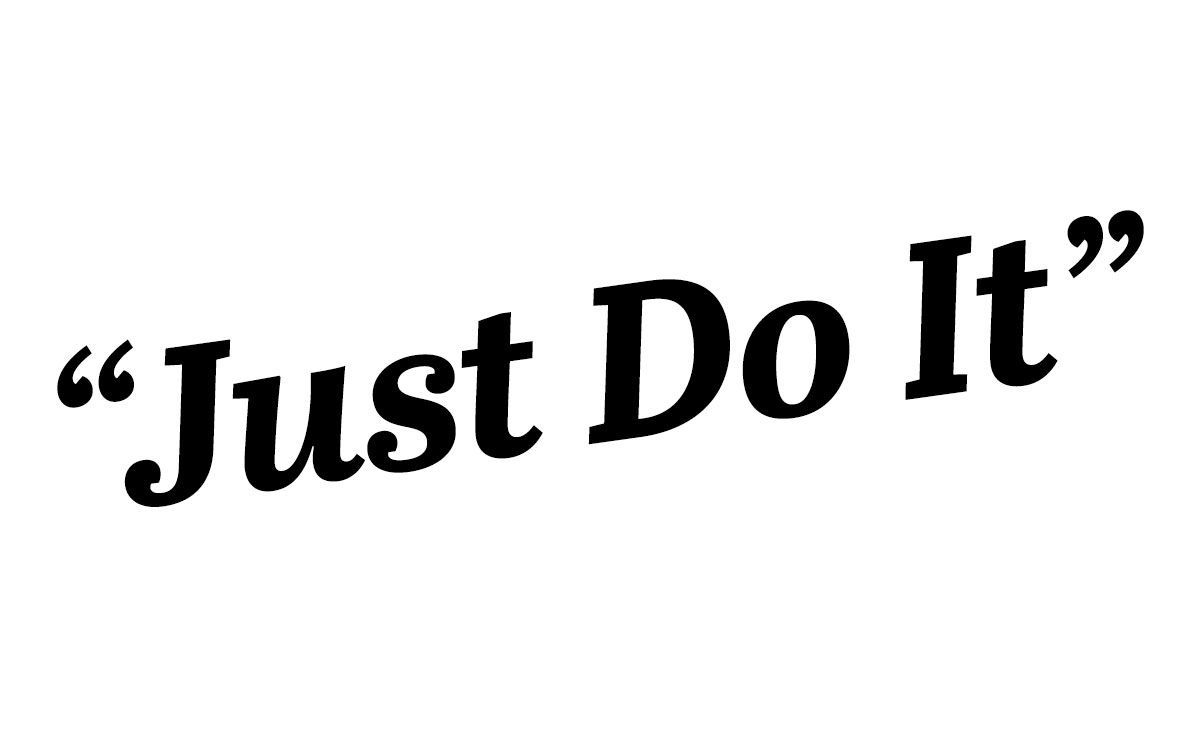
Black italic text reading “Just Do It” on a white background
September 18, 2026
Your tagline may be more important than your logo
A puppy wearing a red superhero cape casts a shadow against a wall that depicts a person holding a dog leash.
August 26, 2026
Leashes of Valor provides highly-trained service dogs at no cost to wounded and disabled post-9/11 veterans.
A hot air balloon is flying over a sign that says credibility
August 26, 2026
What is more important: a lead list or credibility?
Accessibility buttons on a wall panel: CC, audio, visual, touch, magnifier, and wheelchair icons
August 14, 2026
Understand ADA website accessibility for 2026. Contact River City Advertising for expert guidance on compliance & digital accessibility.
Silhouetted profile with glowing tech symbols and data overlays against a light background
By Jessica Ellett • June 17, 2026
Artificial intelligence has changed the way businesses create content, brainstorm ideas, and tackle day-to-day marketing tasks.
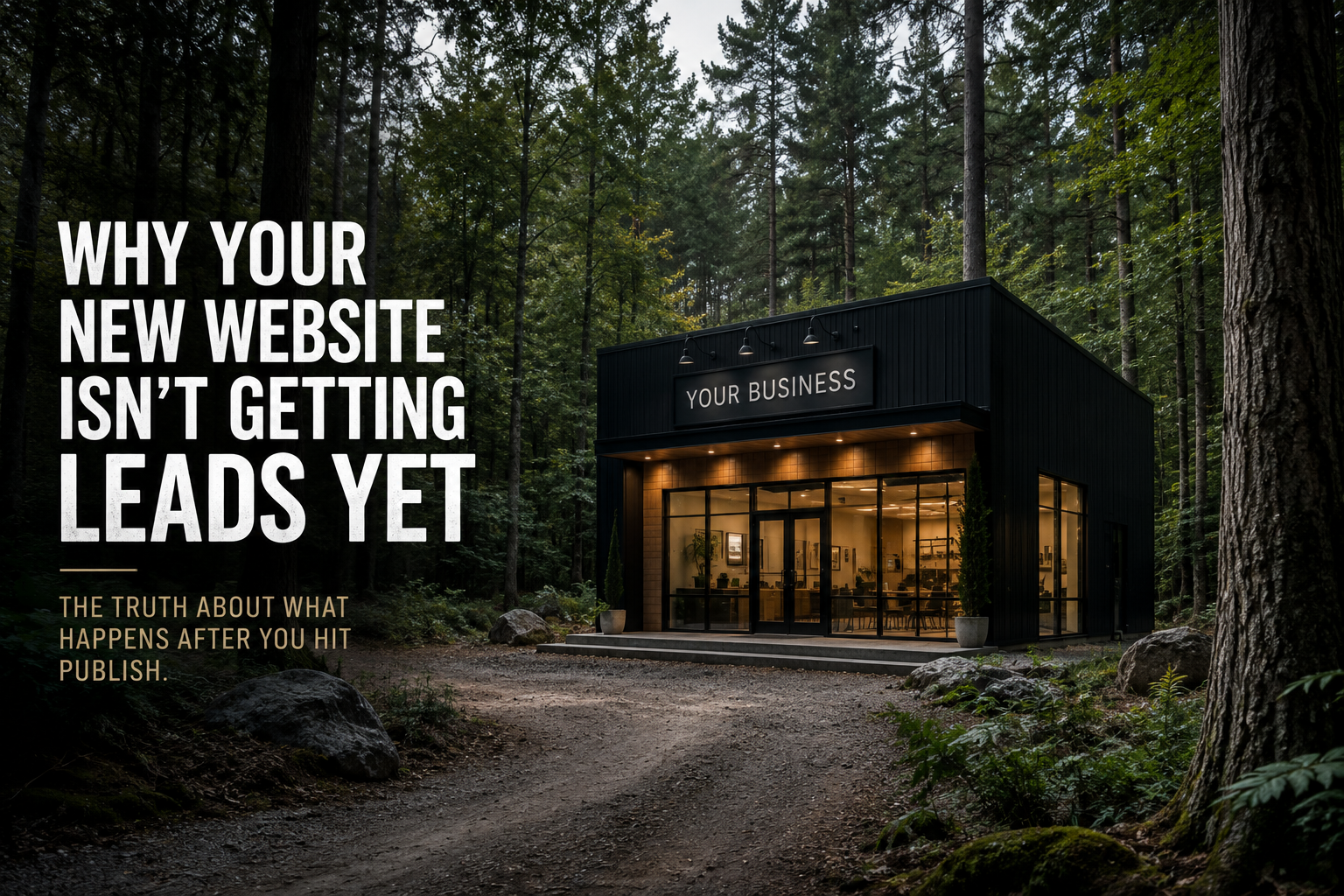
Website mockup: black cabin office in a forest with bold text, “Why your new website isn’t getting leads yet”
By Justin Ellett • May 18, 2026
You launched a brand-new website.
An isometric map shows a small suburban neighborhood with several houses, roads, and a central roundabout with a pin.
By Jessica Ellett • March 31, 2026
Tiny Roundabouts & Bad Branding: Why Ignoring the Basics Costs You More in the End
Musician playing acoustic guitar on a warmly lit stage with blurred band members in the background
By Jessica Ellett • March 16, 2026
For musicians, a website isn’t just a place to store information. It’s a place to create an experience.