
Destination Branding - Creating a Unified Brand
Why do people choose one place over the other?
With globalization at an all-time and ever-increasing high, the movement of people, businesses, capital, and ideas is more fluid than ever. People are always on the go, but how and why do they choose to go to one place over another? While there’s no simple answer to this question, it’s safe to say that people’s expectations of what a place will be like when they get there plays a major role in their decision-making process. For developing locations in need of attracting people, the competition is stiffer than ever. That’s where the importance of place branding comes in.

In short, place branding or destination branding is how a location communicates its image to its target market. From entire continents to the smallest city blocks, place branding influences how the rest of the world perceives a place. Having a great brand is important whether you’re trying to attract visitors and tourists or encourage people to become permanent residents. What makes this place unique? What kind of people live there? What can you do there? Why should you visit? Why should you stay? A well-thought-out brand addresses all of these questions and captures a place’s spirit and personality.

The I ♥ NY campaign is a great example of old-school place branding. That brand has held from the 1970s until today and into the foreseeable future. The state even makes money from the logo, as Empire State Development, New York state’s chief economic development agency, owns and licenses the trademark for merchandise, to the tune of some $30 million a year.
A logo that says i love ny with a red heart
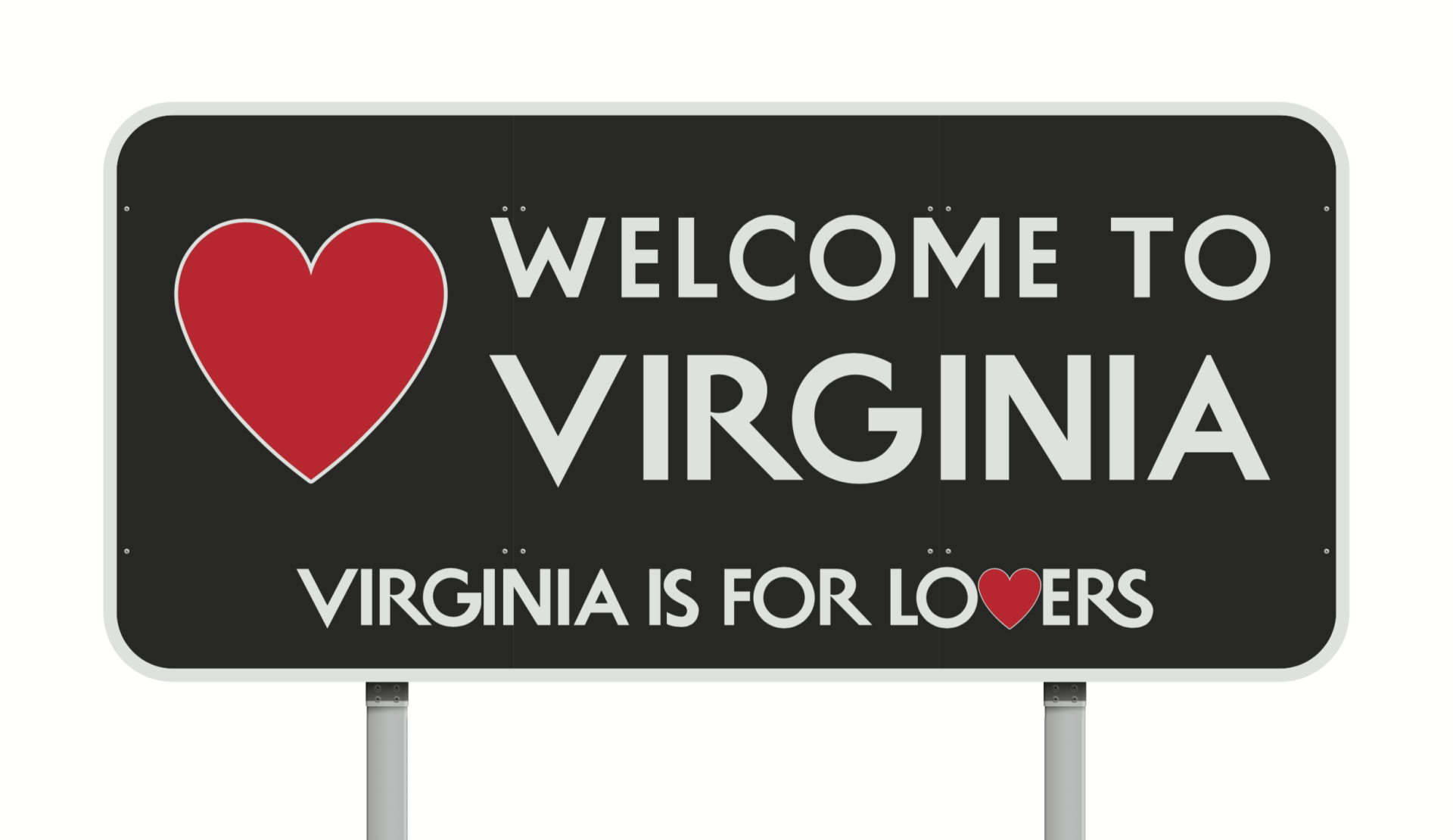
The “Virginia is for Lovers” advertising motto was created 50 years ago by the Richmond advertising firm now known as the Martin Agency. It debuted in 1969 issue of “Modern Bride” and was inducted into Madison Avenue Advertising Walk of Fame in 2009. No one knows exactly why it has been so durable – perhaps because it is mysterious and has meant many things to different people.
A sign that says welcome to virginia is for lovers
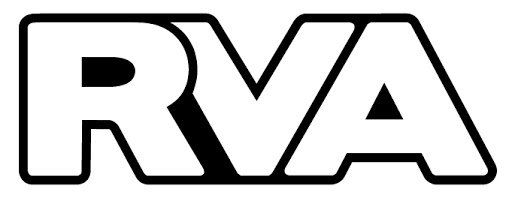
It was decided that the acronym RVA was a simple, catchy way to encapsulate the city as a whole. It was already being used by Richmonders, so Richmonders helped create it. They “took the concept of RVA and decided that something simple like a sticker might be an effective way for Richmonders to brand the city themselves.” Today, this acronym has its roots in the community. It is highly recognizable and represents the changes that Richmond has undergone in the last few decades.
rva logo

When it comes to branding residential areas, the target market becomes smaller and more specific. For example, a new neighborhood in the suburbs full of single-family homes appeals to a different crowd than the newly-renovated, one-bedroom loft apartments in a hip area of a college town. Your brand should be something distinct and recognizable that appeals to the demographic you are trying to attract; a place they’ll want to come home to.


Logo


One of the first steps in developing a great location brand is creating a logo. The logo is one of the most important pieces as it will become how people identify and easily recognize the brand, such as the I ♥ NY, Virginia is for Lovers, and RVA logos. The logo will be used on almost every piece of branding material throughout the brand’s life.

Website


After logo design is complete, destination brands need a professional, well-designed website. Most potential residents will find the location online first, so the brand’s digital presence needs to be on point. The website should be informative, easy to navigate, and showcase the best elements of the location.


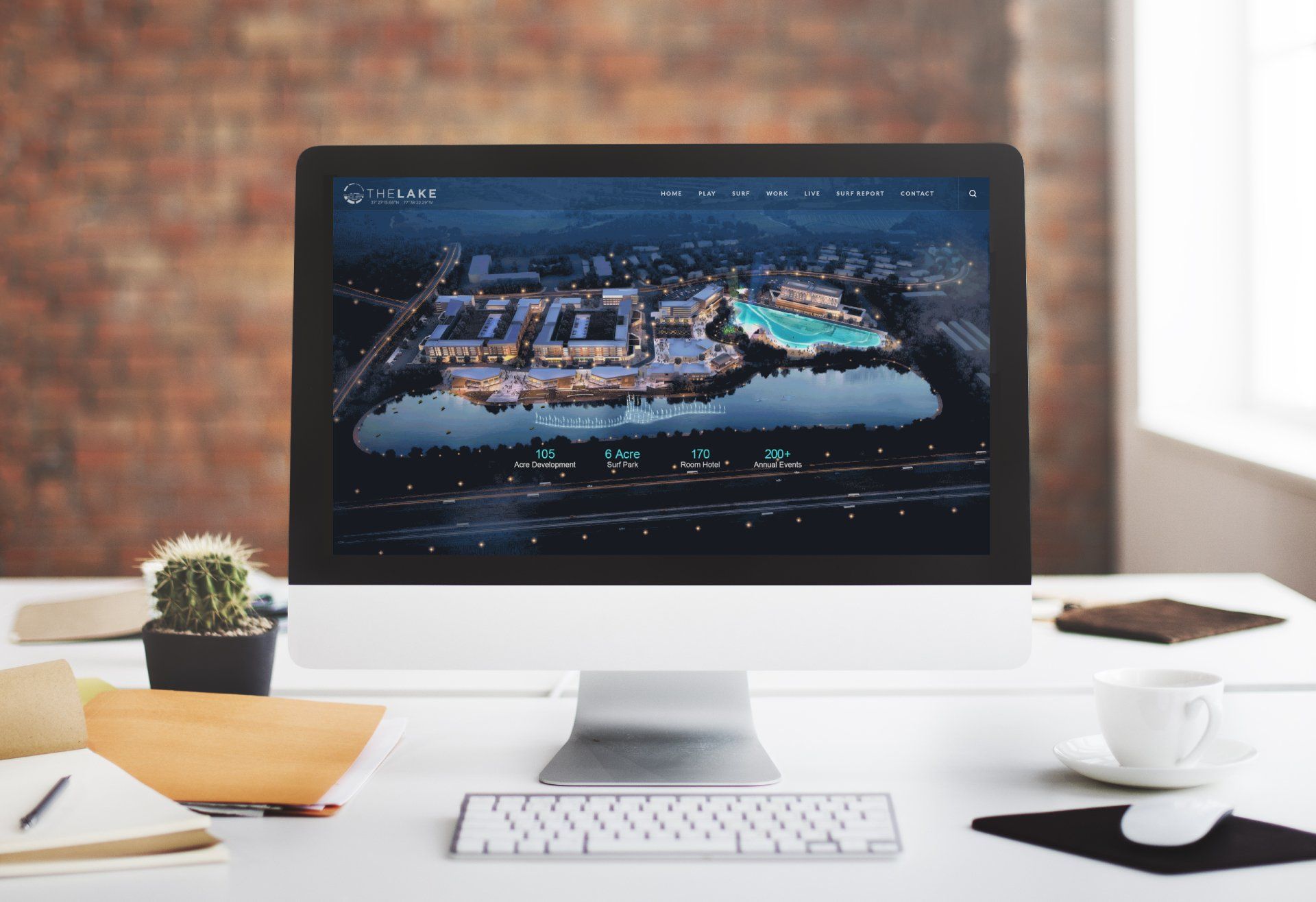
Scott’s Edge is a luxury apartment complex in the fastest growing neighborhood in Richmond, VA, Scott’s Addition. We designed their website to match the modern and simplistic feel of their brand. The website is easy to navigate and showcases Scott’s Edge’s property and location perks.


Marshall Park Townhomes are located in Richmond, VA, within walking distance to Virginia Commonwealth University. Since Marshall Park markets to mainly students, the reasonable prices are showcased, as well as location perks and floorpans.
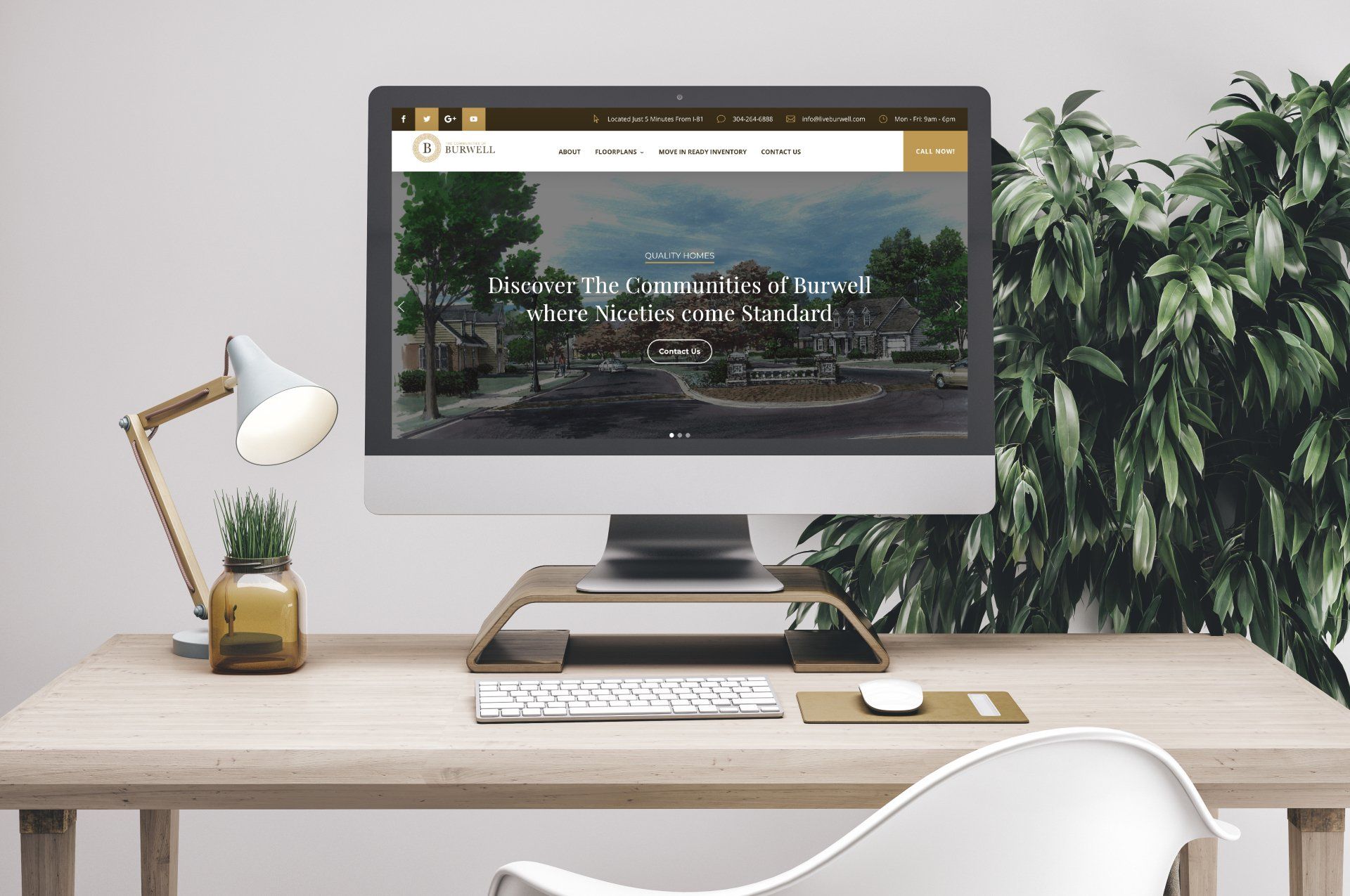
A computer is sitting on top of a wooden desk.
A computer is sitting on a desk with a cactus and a cup of coffee.

Entry Signage


Another important part of place branding is entry way signage. As potential residents pass by or come to visit the area, an entry sign is often the first impression made. It should fit well with the place’s brand and reflect the “mood” of the brand, whether this is modern, rustic, elegant, etc.
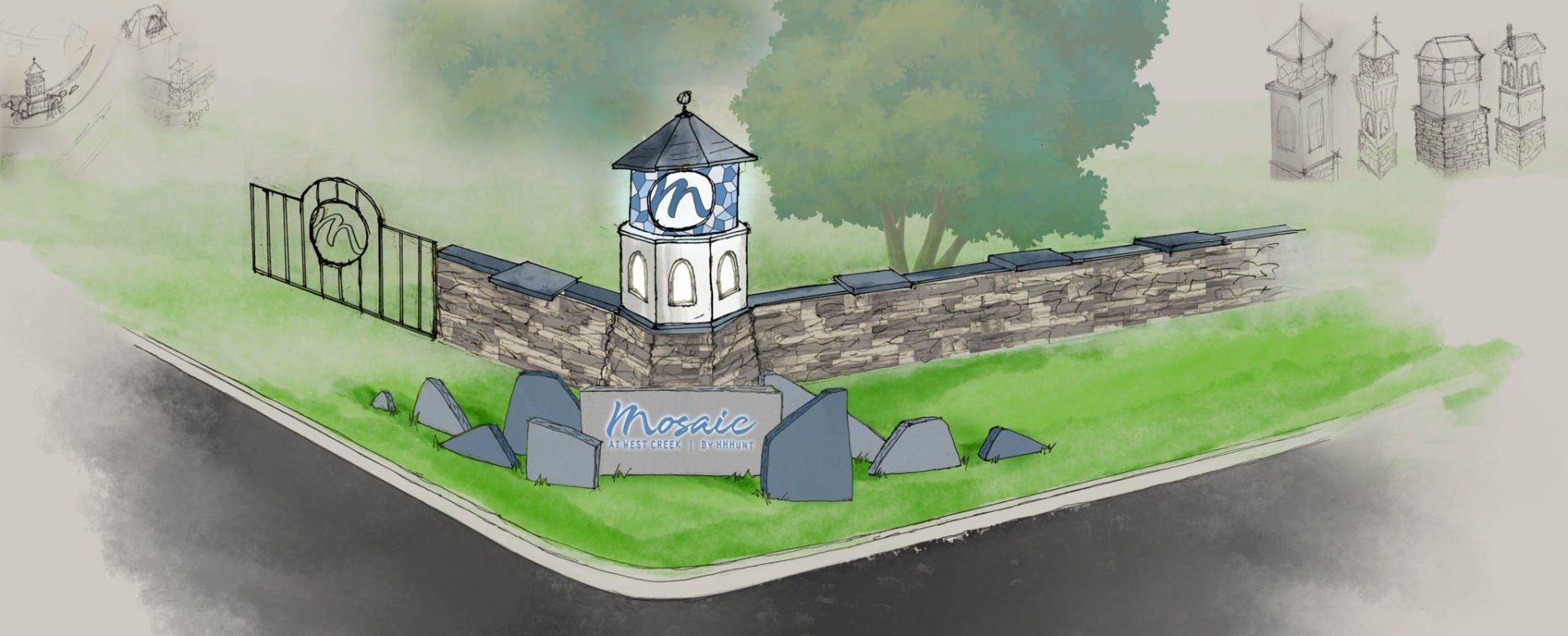

A drawing of a stone wall with a clock tower in the middle of it.
A 3d model of a lighthouse with a clock tower and a fence.

Welcome Package


Once a potential resident finally comes to tour an area, it is important to provide a welcome package. This package might contain information on property amenities, pricing, floor plans, contact information, neighborhood perks, etc. Many times, this piece of branding is overlooked but, even in a digital world, it adds immense value to the buyer or renter’s experience if they leave with a beautifully designed, information packet in hand.


Henley is a residential area in Glen Allen, VA. Their welcome package includes floorpans, land plats, and community information.


Residents shouldn’t just be proud of their homes, but of their community in its entirety. What makes them proud to be a part of that neighborhood, or excited to invite friends over to their new apartment? What’s different or special about your product offering that’s going to speak to the type of people you want to reach? Whether it’s a new neighborhood under construction or an existing location, a community’s brand should reflect who they are and what they want to become.
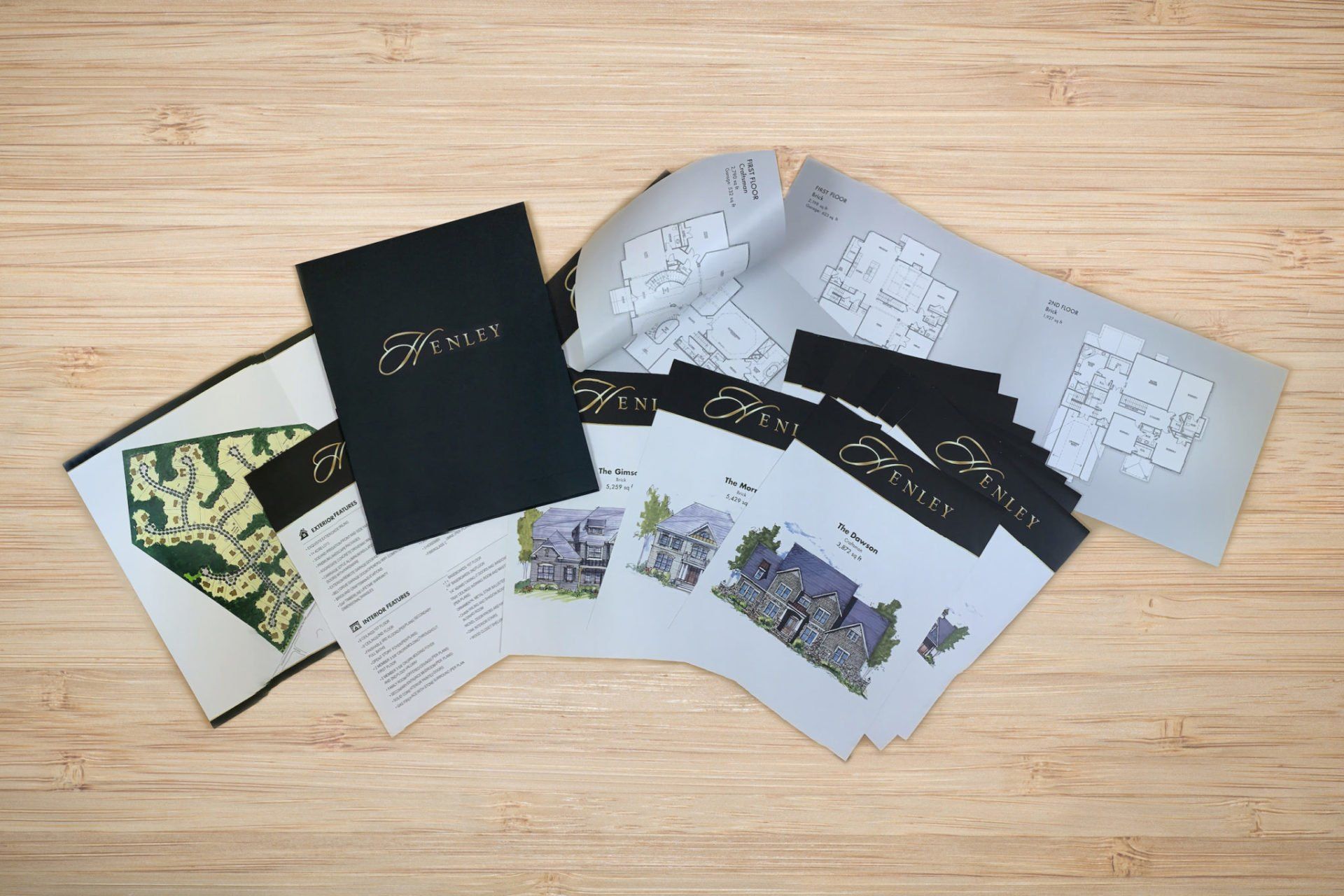
A bunch of brochures are laying on a wooden table

For 21 years, River City Consulting has been helping businesses make money. As a professional advertising and branding agency, we help companies determine realistic advertising budgets that produce results. Call us at 804-447-5757 for an appointment to talk about marketing your destination.


Your success is our business.

August 14, 2026
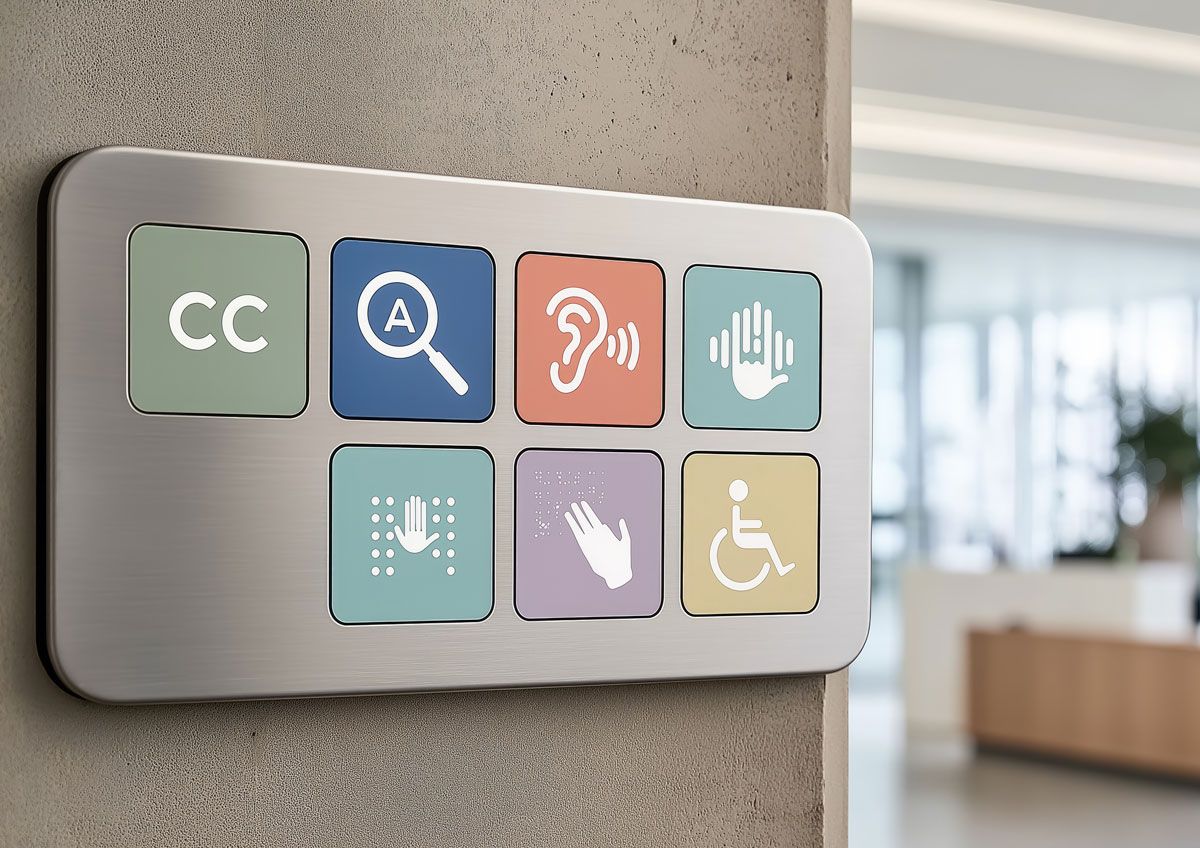
Website accessibility has been a conversation for years, but recent changes to federal accessibility requirements are putting an even bigger spotlight on how websites work for people with disabilities. And if your website hasn’t been reviewed for accessibility recently, now is a good time to take another look. At River City Advertising, we have the tools to add accessibility-focused features that are easier for everyone to use. What Changed With ADA Website Accessibility? In 2024, the U.S. Department of Justice issued a new rule under Title II of the Americans with Disabilities Act establishing a specific technical accessibility standard for websites and mobile apps provided by state and local governments. That standard is WCAG 2.1 Level AA —a widely recognized set of Web Content Accessibility Guidelines designed to make digital content more accessible to people with visual, auditory, physical, cognitive and other disabilities. In 2026, the DOJ extended the deadlines for these public entities: April 26, 2027: State and local government entities with populations of 50,000 or more April 26, 2028: Smaller public entities and special district governments While these particular deadlines apply to state and local governments, the changes reinforce something that affects organizations of all kinds: website accessibility is becoming increasingly important. Businesses should also remember that accessibility obligations can vary depending on the type of organization, services provided and applicable federal, state and local laws. What Does an Accessible Website Actually Mean? Accessibility isn't simply adding a button to your website. An accessible website is designed so people with disabilities can navigate, understand and interact with its content—including visitors who use screen readers, keyboard navigation or other assistive technologies. Some of the elements that can affect accessibility include: Alternative text for meaningful images Appropriate color contrast between text and backgrounds Clear heading structures Keyboard-friendly navigation Properly labeled buttons, links and form fields Readable text and logical page layouts Accessible forms Captions or alternatives for multimedia content Correct website language settings Content that works effectively with screen readers Many of these features also happen to make a website easier to use for everyone , not only visitors with disabilities. How Our Platform Helps Us Build More Accessible Websites At River City Advertising accessibility isn't treated as an afterthought. Our platform includes built-in functionality that can help developers create more accessible websites, including support for alternative text, keyboard navigation and automatic website language definition. Our platform also integrates with accessibility solutions such as UserWay and AudioEye for businesses and organizations that want additional accessibility tools, monitoring and remediation capabilities. However, there is an important distinction: No website platform, plugin or accessibility widget can automatically guarantee that a website is 100% ADA compliant. Accessibility depends on the platform and how the website is designed, written, maintained and updated. For example, adding an accessibility tool doesn't fix a poorly structured page, unclear link text, an inaccessible third-party application or every issue created when new content is added. That is why accessibility should be viewed as an ongoing website-management practice rather than a one-time checkbox. Why Businesses Should Pay Attention Now Even if the newest Title II deadlines don't apply directly to your business, there are several reasons to make website accessibility a priority. Reach more people. An accessible website makes it easier for more potential customers to interact with your business online. Create a better user experience. Clear navigation, readable content, properly labeled forms and thoughtful page structure benefit everyone. Support your SEO efforts. Several accessibility best practices—such as descriptive image text, organized headings and well-structured content—can also help search engines better understand your website. Reduce unnecessary risk. Digital accessibility continues to be an important legal and regulatory issue. Proactively improving accessibility is much better than waiting until someone identifies a problem. Prepare your website for the future. Accessibility standards and expectations continue to evolve. Building accessibility into your website now makes it easier to adapt as requirements change. Accessibility Isn't "Set It and Forget It" This may be the most important takeaway. Your website can become less accessible over time as new pages, images, videos, forms, integrations and other content are added. That's why website accessibility should be part of ongoing website management. At River City Advertising, we can help businesses evaluate their current websites, identify accessibility concerns and determine what tools or updates may make sense. Is It Time for an Accessibility Check? If you're unsure how your current website measures up, we can help you take a closer look. Contact River City Advertising to talk about your website, accessibility options and how we can help make your online presence easier for more people to use.  This article is provided for general informational purposes and is not legal advice. ADA and digital accessibility requirements can vary depending on your organization and jurisdiction. Businesses with questions about their specific legal obligations should consult qualified legal counsel.
Silhouetted profile with glowing tech symbols and data overlays against a light background
By Jessica Ellett June 17, 2026
Artificial intelligence has changed the way businesses create content, brainstorm ideas, and tackle day-to-day marketing tasks.
Website mockup: black cabin office in a forest with bold text, “Why your new website isn’t getting leads yet”
By Justin Ellett May 18, 2026
You launched a brand-new website.
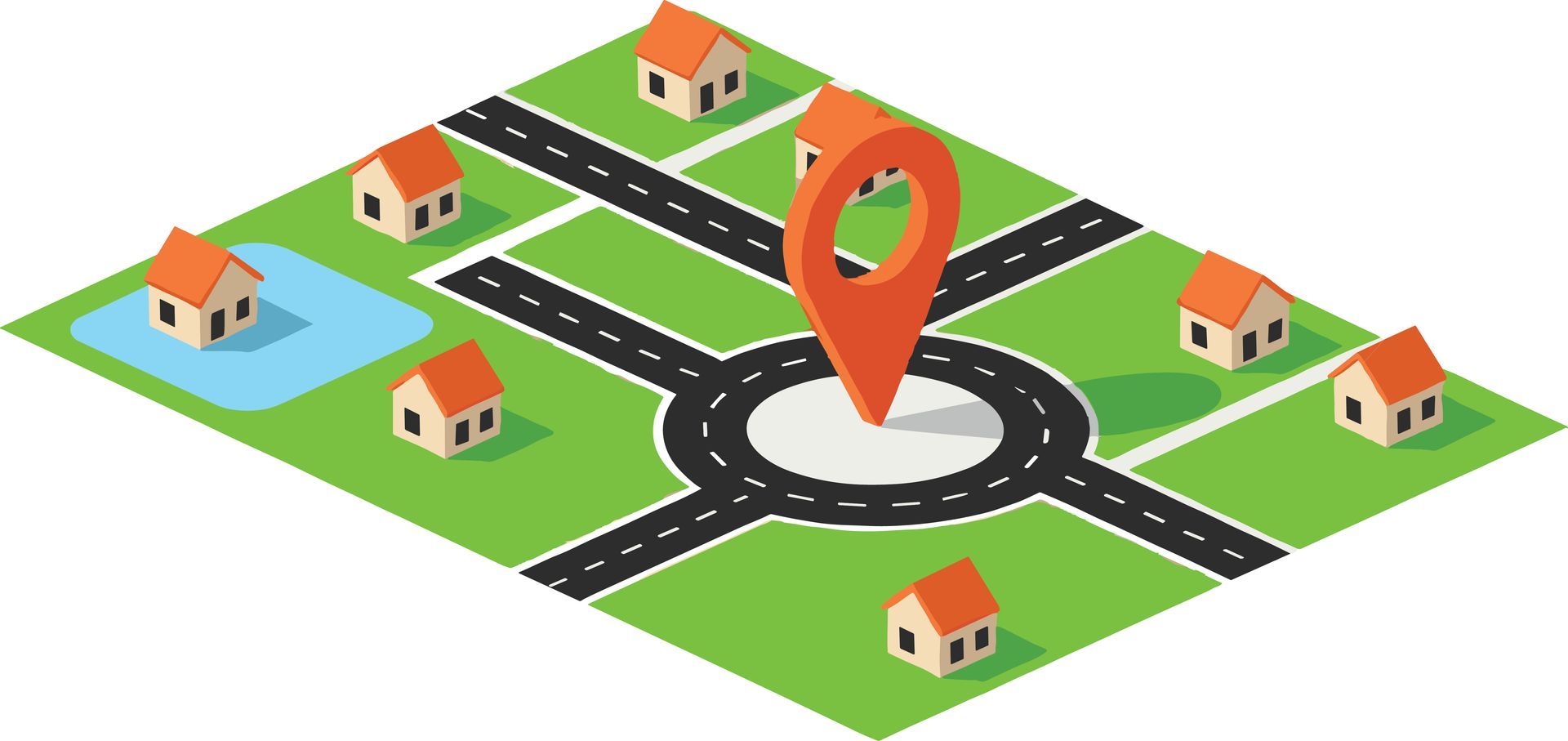
An isometric map shows a small suburban neighborhood with several houses, roads, and a central roundabout with a pin.
By Jessica Ellett March 31, 2026
Tiny Roundabouts & Bad Branding: Why Ignoring the Basics Costs You More in the End
Musician playing acoustic guitar on a warmly lit stage with blurred band members in the background
By Jessica Ellett March 16, 2026
For musicians, a website isn’t just a place to store information. It’s a place to create an experience.
Two people sitting on a park bench, using a laptop and reading a tablet.
By Jessica Ellett February 26, 2026
(And the People Calling You Are Probably Women.)
Hands collaborating over colorful notes and sketches on a table during a planning meeting
By Jessica Ellett November 6, 2025
Branding Mistakes That Quietly Cost Small Businesses Thousands
Black-and-white speech icon with a face silhouette and sound waves in a circle
By Jessica Ellett August 22, 2025
The Tiny Words That Make a Big Difference in How You’re Heard
Billboard reading “TRENDS 2025” against a blue sky with clouds
By Jessica Ellett July 8, 2025
Branding Heat Check: What’s Sizzling This Summer
Two coworkers shaking hands in a bright office with colleagues smiling in the background
By Jessica Ellett March 6, 2025
Why Getting Back to People Matters