
Journey House Foundation
“It’s God's work. We’re just his hands and feet.”
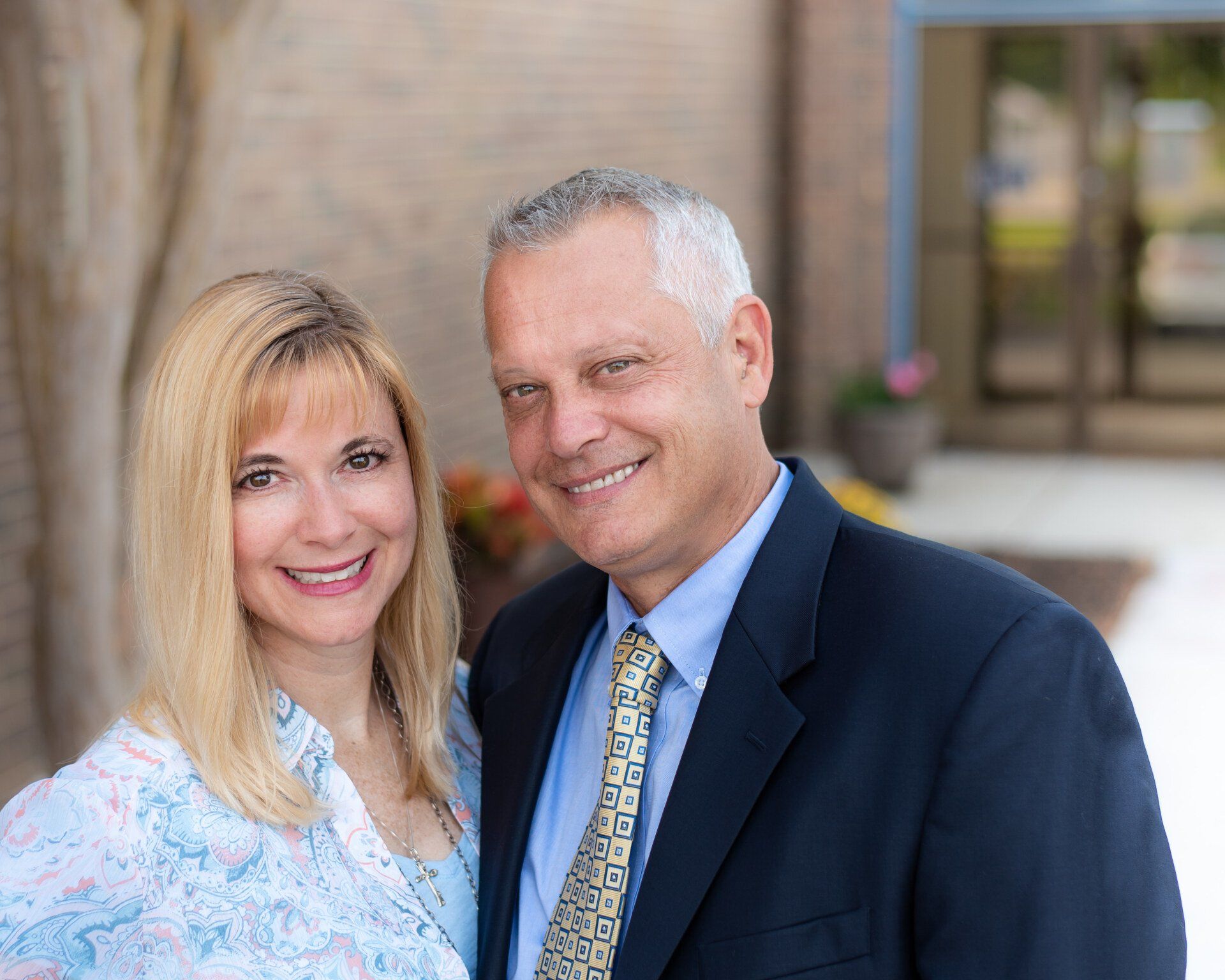
Kimberly Braine-Tillem is the Director of Development and Education for Journey House Foundation, but she wears many hats, including marketing, social media manager, finance, policy and procedure, HR, and anything else thrown her way! Kimberly is a former Children’s Minister, enrichment teacher, on air radio show host, and Founder and Former Executive Director of The Sophie House, a local 501 (c)(3). Last year, however, she dove headfirst into her role at Journey House Foundation, after her husband, Michael, founded the organization in 2017, and experienced rapid growth with the organization over the past 2 years. Michael has a personal passion for helping the addict who still suffers, with over 18 years in long term recovery himself.
Journey House Foundation
is an intensive monitoring service provider and peer recovery organization, specializing in recovery support services and expedited access to quality mental health providers, for individuals seeking long-term recovery after treatment, jail, prison, hospitalization and sometimes homelessness. Driven by their goal to establish community collaborations, they also aim to expand and strengthen the recovery support network for individuals struggling with substance use disorders, reduce recidivism, and reinforce successful reintegration into the community.
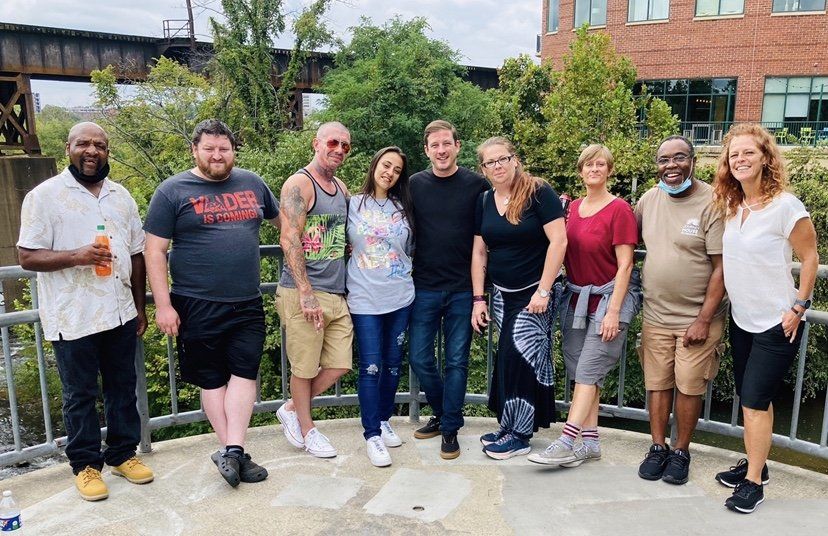
The staff at Journey House Foundation
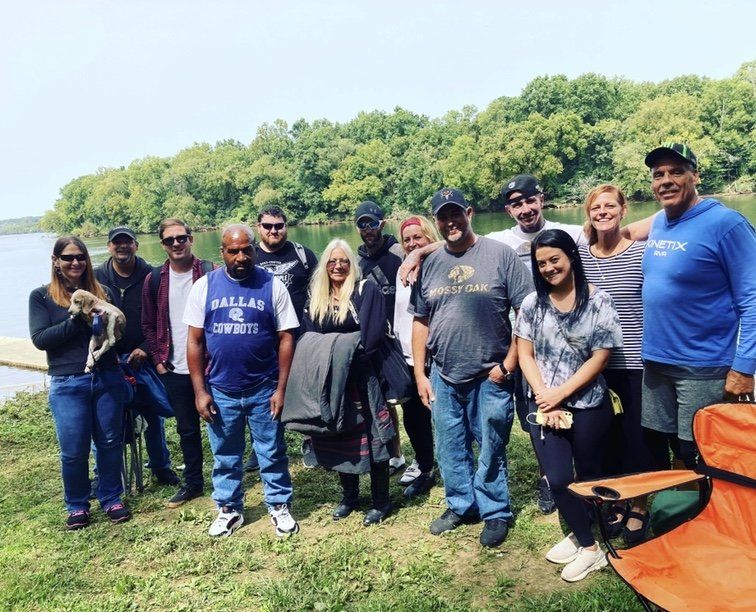
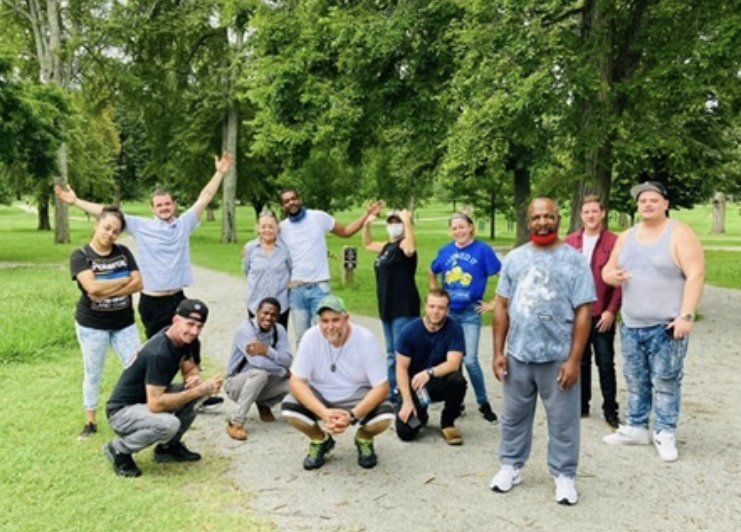
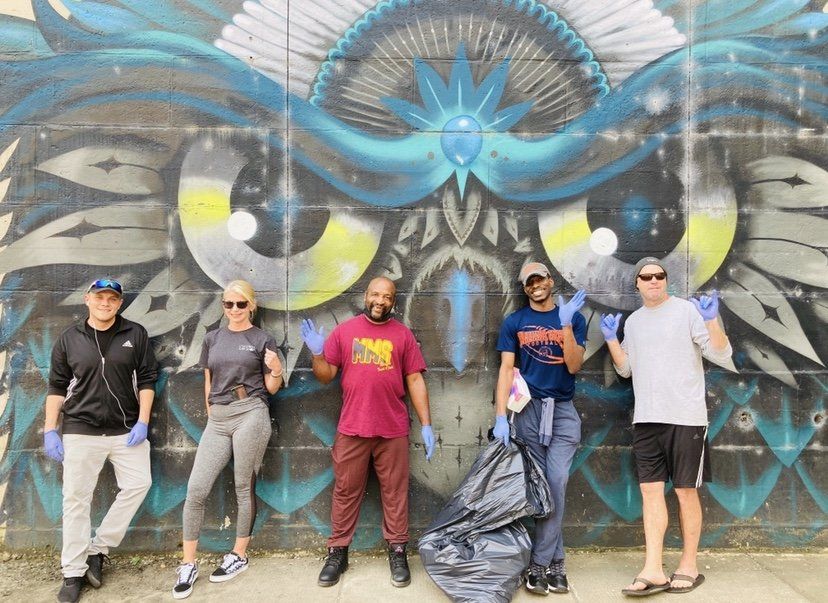
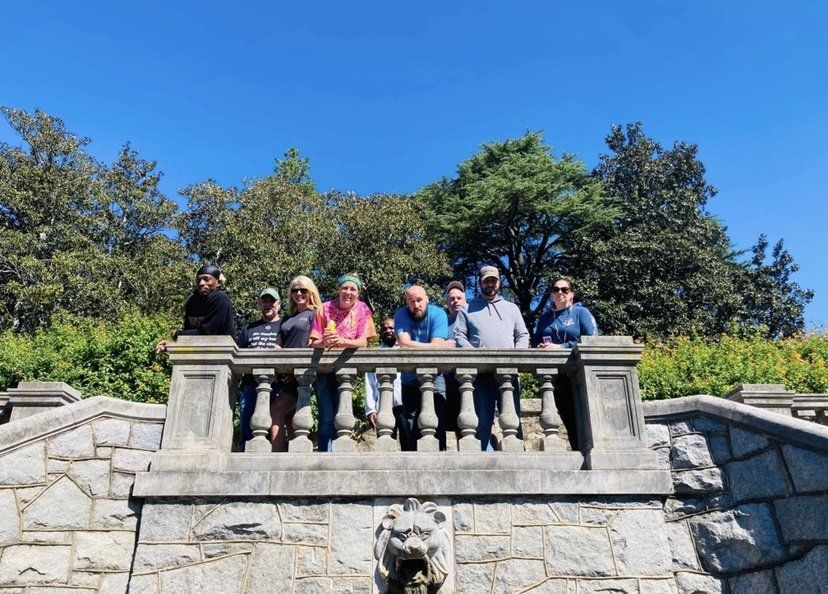
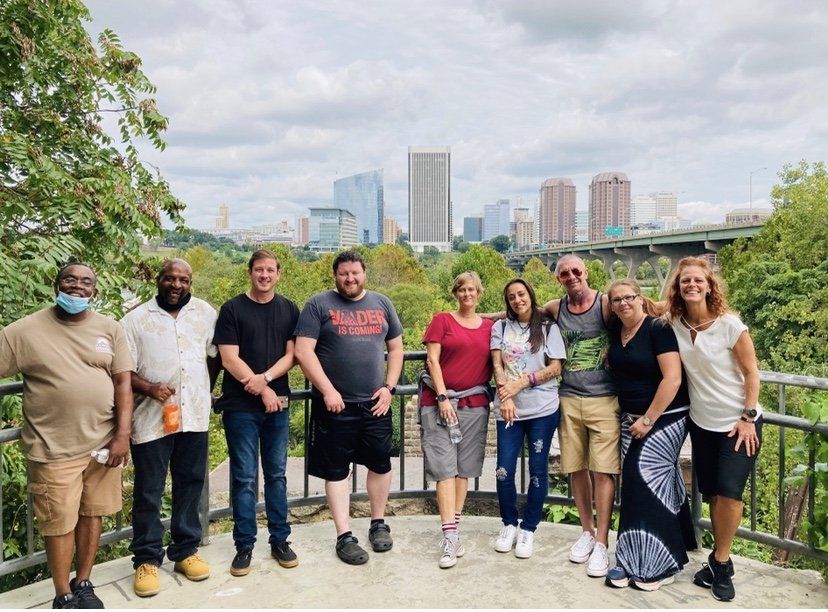
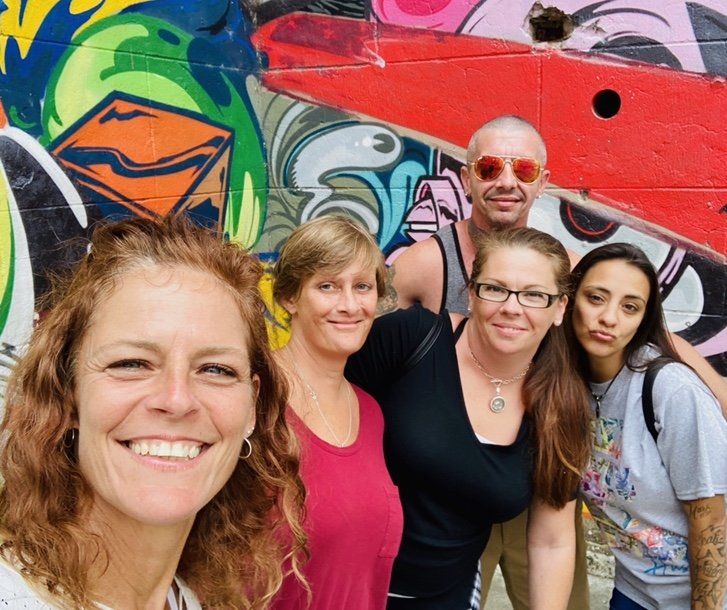
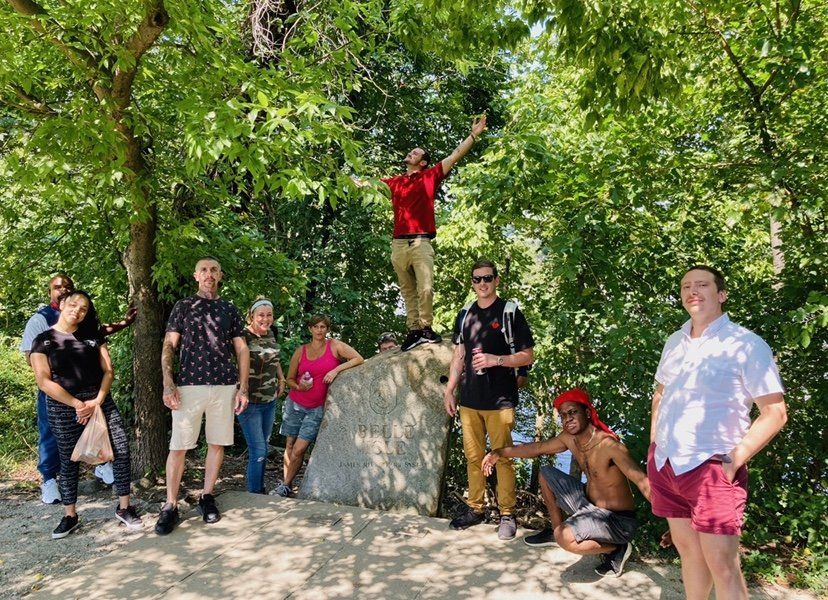
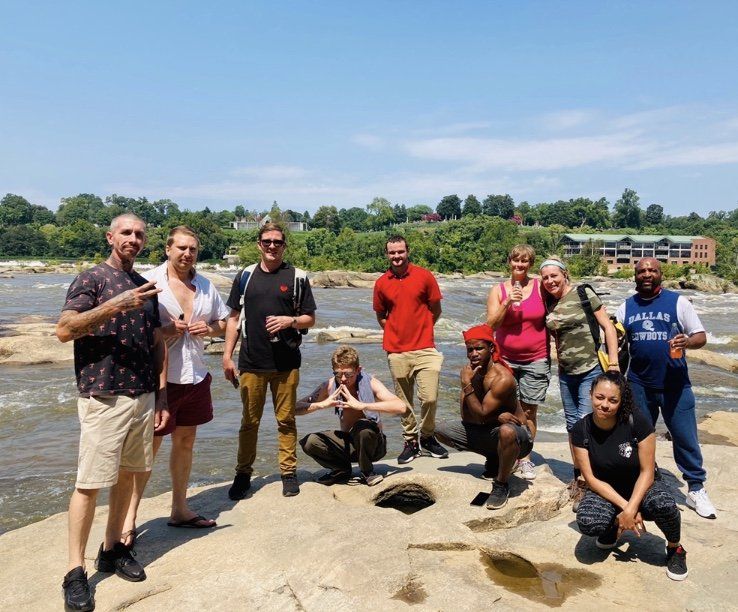
consists of 9 staff members, 7 of whom are in long term recovery and are very active in the RVA recovery community. They believe that connectivity and cohesiveness are the root of success, with a strong emphasis on mind, body, spirit, and combining mental health services with recovery support. The goal is to help each participant achieve a thriving life. Journey House Foundation
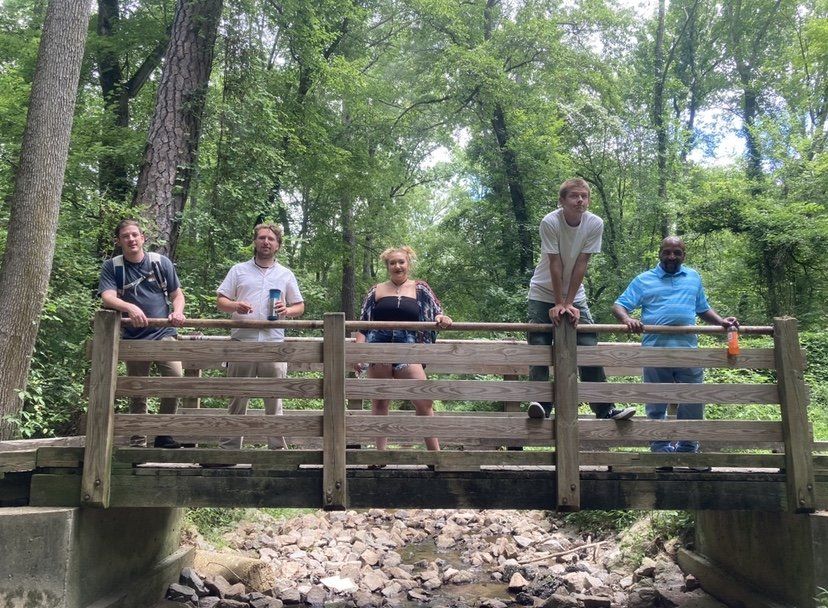
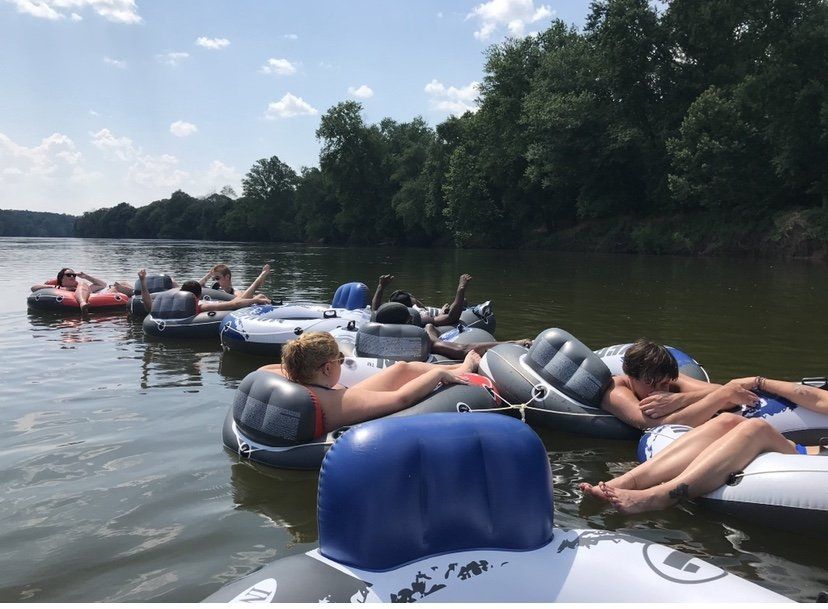
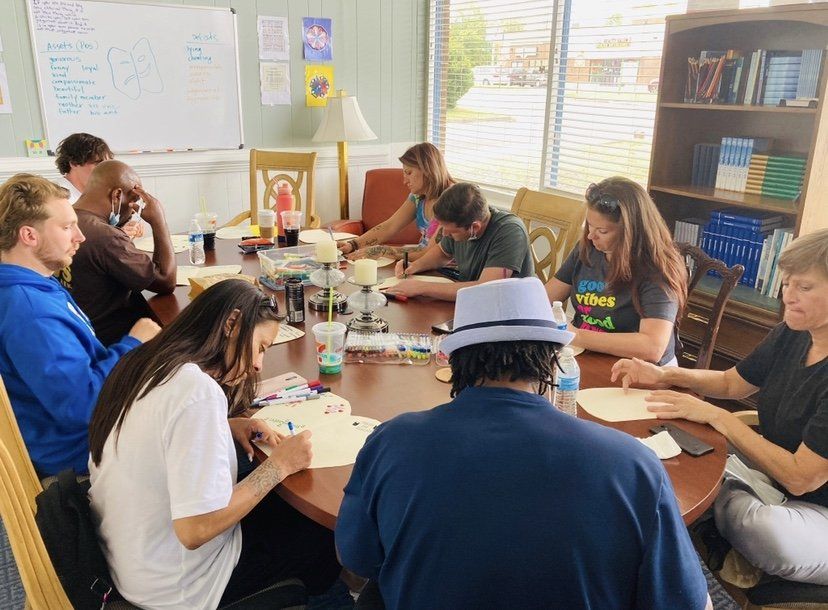
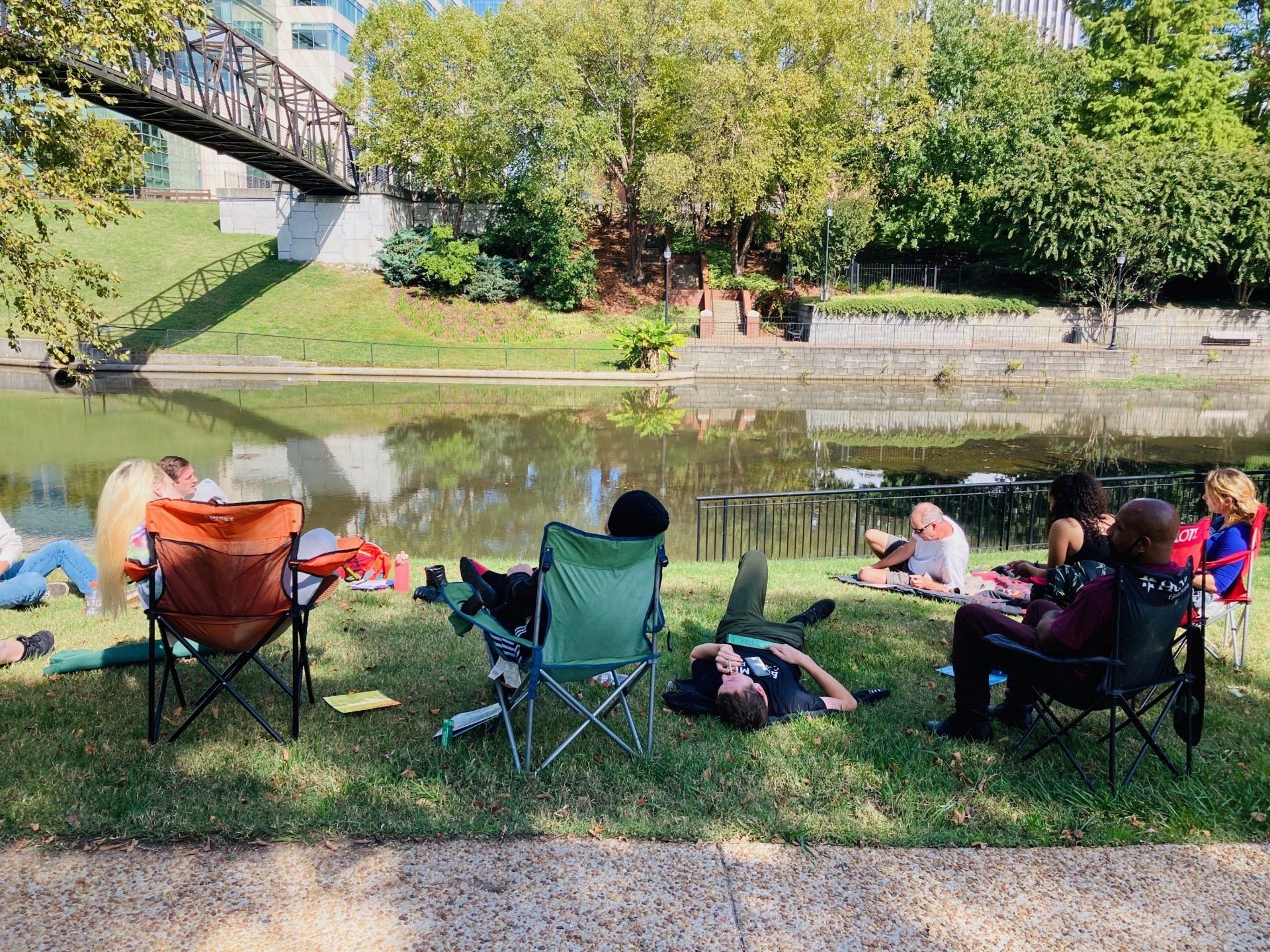
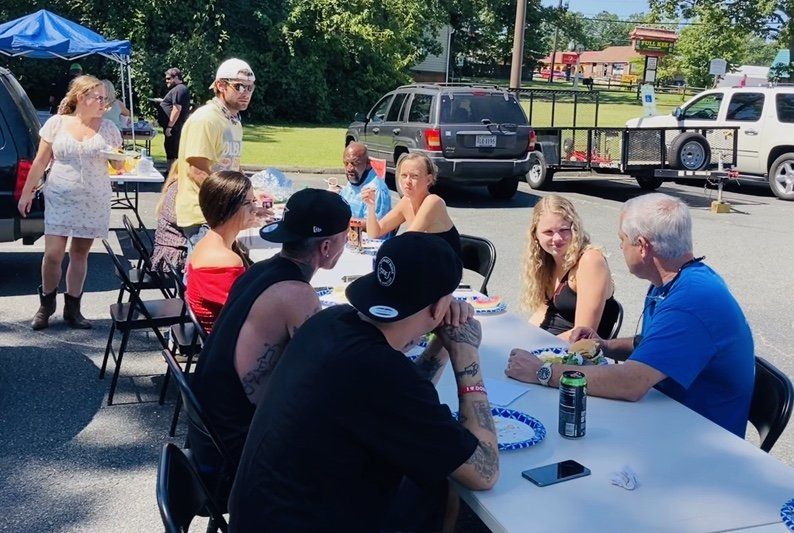
believes in using the RVA community as their classroom. Their participants learn how to have fun again without the use of drugs and alcohol, while facing life on life’s terms, healing from past trauma and learning more positive coping skills through the JHF program and additional community services and collaborations. Activities that were once a common excuse for using substances, are now an outlet for reflection, healing, positive social interaction, and good clean fun!
When asked what would make the greatest difference to the organization right now, Kimberly answered, “Awareness, not only that we are here, but that we are connecting with other organizations that share our passion for recovery collaboration.” Journey House Foundation would love introductions to other organizations, small businesses, corporations, and non-profits willing to come alongside their participants, showing them that they can be productive members of society and grow and thrive in recovery.
Currently, they are working with a local pottery studio for a Christmas workshop, creating pottery gifts for their family and friends. Introductions to other art studios willing to partner, would be welcomed!
Tangible items on their wish list include:
(URGENT)- Brand new twin bedsheet sets, comforters, and pillows
Croquet set/ badminton set
Flag football equipment
Soccer balls/ footballs
Soccer nets
Camping equipment
To donate to Journey House Foundation, please click HERE.
You can also reach out to Kimberly Braine-Tillem at kimberly@journeyhouserecovery.org.
Share this post...
Your tagline may be more important than your logo

Leashes of Valor provides highly-trained service dogs at no cost to wounded and disabled post-9/11 veterans.

What is more important: a lead list or credibility?
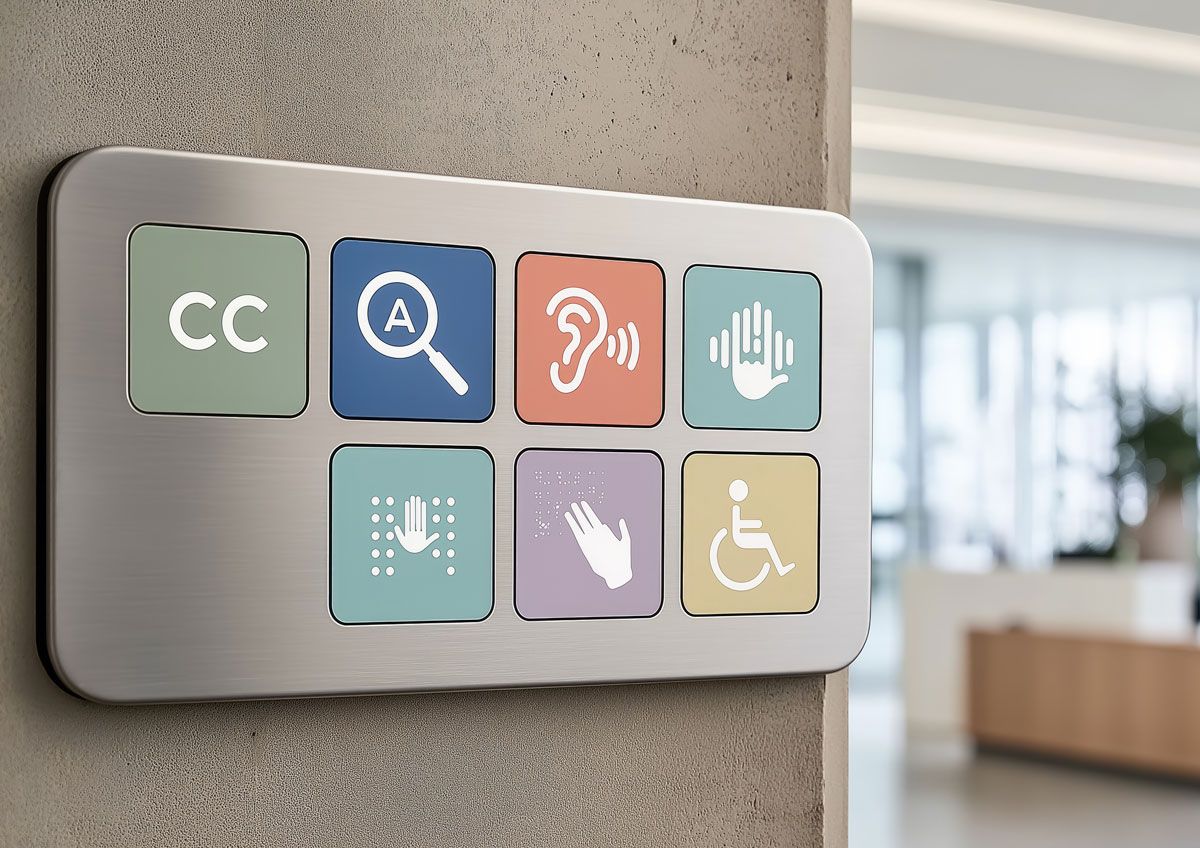
Website accessibility has been a conversation for years, but recent changes to federal accessibility requirements are putting an even bigger spotlight on how websites work for people with disabilities. And if your website hasn’t been reviewed for accessibility recently, now is a good time to take another look. At River City Advertising, we have the tools to add accessibility-focused features that are easier for everyone to use. What Changed With ADA Website Accessibility? In 2024, the U.S. Department of Justice issued a new rule under Title II of the Americans with Disabilities Act establishing a specific technical accessibility standard for websites and mobile apps provided by state and local governments. That standard is WCAG 2.1 Level AA —a widely recognized set of Web Content Accessibility Guidelines designed to make digital content more accessible to people with visual, auditory, physical, cognitive and other disabilities. In 2026, the DOJ extended the deadlines for these public entities: April 26, 2027: State and local government entities with populations of 50,000 or more April 26, 2028: Smaller public entities and special district governments While these particular deadlines apply to state and local governments, the changes reinforce something that affects organizations of all kinds: website accessibility is becoming increasingly important. Businesses should also remember that accessibility obligations can vary depending on the type of organization, services provided and applicable federal, state and local laws. What Does an Accessible Website Actually Mean? Accessibility isn't simply adding a button to your website. An accessible website is designed so people with disabilities can navigate, understand and interact with its content—including visitors who use screen readers, keyboard navigation or other assistive technologies. Some of the elements that can affect accessibility include: Alternative text for meaningful images Appropriate color contrast between text and backgrounds Clear heading structures Keyboard-friendly navigation Properly labeled buttons, links and form fields Readable text and logical page layouts Accessible forms Captions or alternatives for multimedia content Correct website language settings Content that works effectively with screen readers Many of these features also happen to make a website easier to use for everyone , not only visitors with disabilities. How Our Platform Helps Us Build More Accessible Websites At River City Advertising accessibility isn't treated as an afterthought. Our platform includes built-in functionality that can help developers create more accessible websites, including support for alternative text, keyboard navigation and automatic website language definition. Our platform also integrates with accessibility solutions such as UserWay and AudioEye for businesses and organizations that want additional accessibility tools, monitoring and remediation capabilities. However, there is an important distinction: No website platform, plugin or accessibility widget can automatically guarantee that a website is 100% ADA compliant. Accessibility depends on the platform and how the website is designed, written, maintained and updated. For example, adding an accessibility tool doesn't fix a poorly structured page, unclear link text, an inaccessible third-party application or every issue created when new content is added. That is why accessibility should be viewed as an ongoing website-management practice rather than a one-time checkbox. Why Businesses Should Pay Attention Now Even if the newest Title II deadlines don't apply directly to your business, there are several reasons to make website accessibility a priority. Reach more people. An accessible website makes it easier for more potential customers to interact with your business online. Create a better user experience. Clear navigation, readable content, properly labeled forms and thoughtful page structure benefit everyone. Support your SEO efforts. Several accessibility best practices—such as descriptive image text, organized headings and well-structured content—can also help search engines better understand your website. Reduce unnecessary risk. Digital accessibility continues to be an important legal and regulatory issue. Proactively improving accessibility is much better than waiting until someone identifies a problem. Prepare your website for the future. Accessibility standards and expectations continue to evolve. Building accessibility into your website now makes it easier to adapt as requirements change. Accessibility Isn't "Set It and Forget It" This may be the most important takeaway. Your website can become less accessible over time as new pages, images, videos, forms, integrations and other content are added. That's why website accessibility should be part of ongoing website management. At River City Advertising, we can help businesses evaluate their current websites, identify accessibility concerns and determine what tools or updates may make sense. Is It Time for an Accessibility Check? If you're unsure how your current website measures up, we can help you take a closer look. Contact River City Advertising to talk about your website, accessibility options and how we can help make your online presence easier for more people to use. This article is provided for general informational purposes and is not legal advice. ADA and digital accessibility requirements can vary depending on your organization and jurisdiction. Businesses with questions about their specific legal obligations should consult qualified legal counsel.

Artificial intelligence has changed the way businesses create content, brainstorm ideas, and tackle day-to-day marketing tasks.
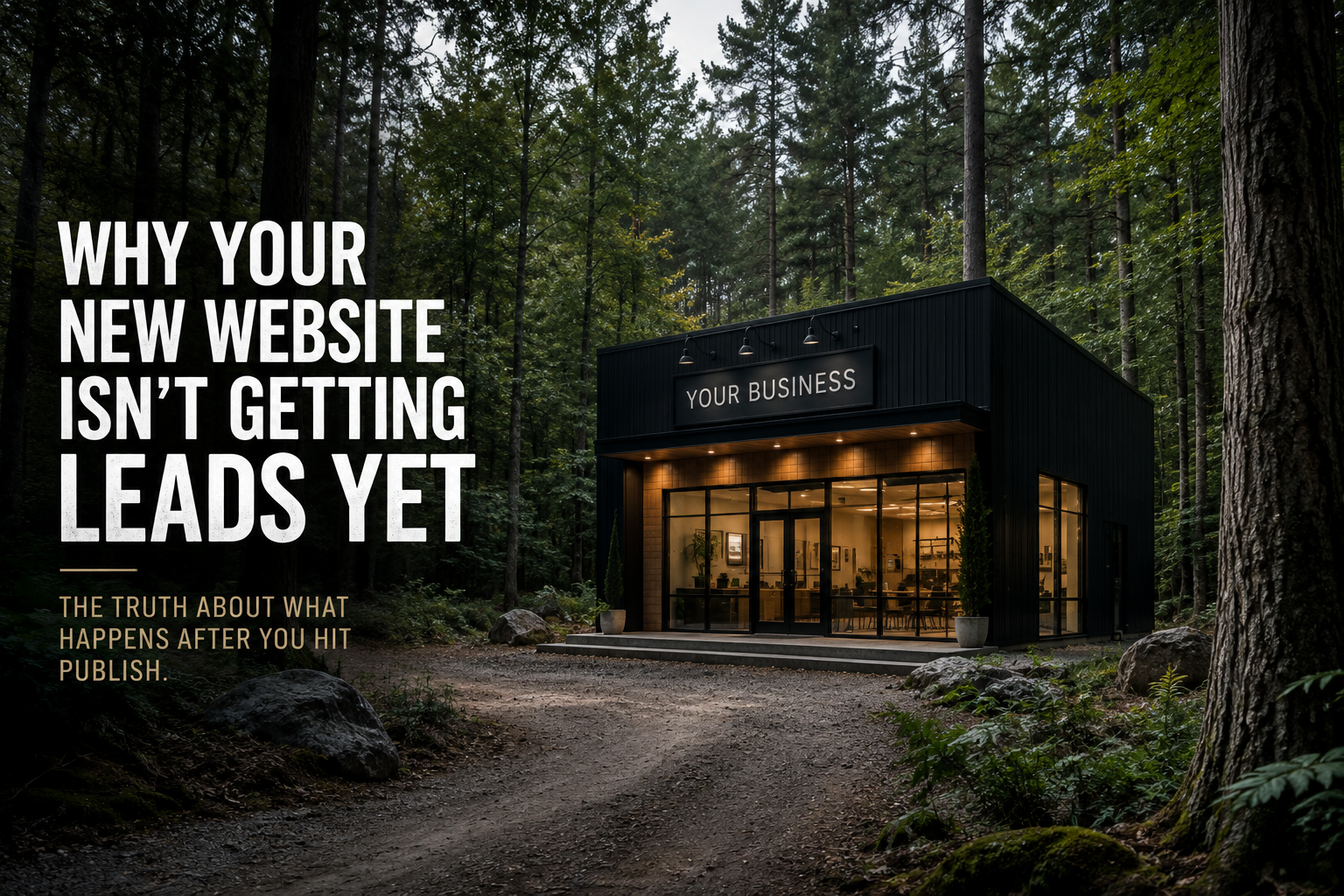
You launched a brand-new website.

Tiny Roundabouts & Bad Branding: Why Ignoring the Basics Costs You More in the End

For musicians, a website isn’t just a place to store information. It’s a place to create an experience.

(And the People Calling You Are Probably Women.)

Branding Mistakes That Quietly Cost Small Businesses Thousands